Decoding ‘The Chronos Paradox’ Episode 10: Unanswered Questions for 2026 Finale
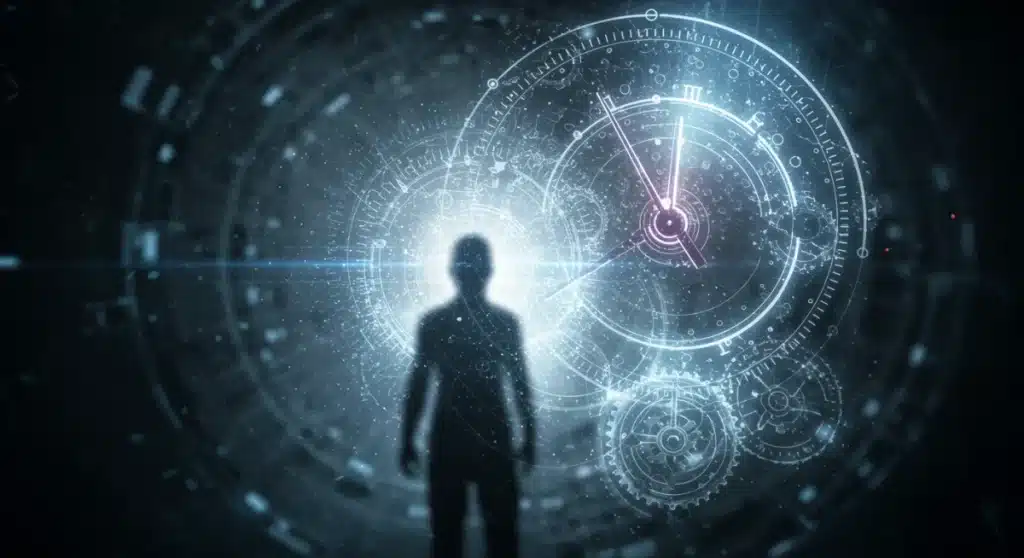
Episode 10 of ‘The Chronos Paradox’ has left viewers with critical unanswered questions that demand resolution in the 2026 finale, particularly concerning Project Chimera’s true purpose and the Chronos entity’s identity.
As the highly anticipated 2026 finale of ‘The Chronos Paradox’ draws nearer, fans are buzzing with theories and anxieties about the resolution of its intricate plot. Specifically, Decoding ‘The Chronos Paradox’ Episode 10: 4 Unanswered Questions That Must Be Addressed by the 2026 Finale has become a paramount concern, as this penultimate episode introduced more enigmas than it solved. The series, known for its mind-bending narrative and complex characters, now stands at a critical juncture, with its credibility resting on how these pivotal mysteries are unraveled.
The Enigma of Project Chimera: Its True Purpose and Origin
Project Chimera has been a recurring shadow throughout ‘The Chronos Paradox,’ hinted at as both a salvation and a destructive force. Episode 10 deepened this mystery by revealing its connection to multiple timelines and alternate realities. What began as a seemingly benevolent scientific endeavor has mutated into something far more sinister, leaving viewers questioning its original intent and the hands that guided its creation.
The latest revelations suggest Project Chimera is not merely a time-travel experiment but a device capable of rewriting historical events on a grand scale. The implications of this are staggering, as it could mean that much of what we’ve witnessed in the series has been a manipulated reality. Understanding its true purpose is crucial for comprehending the stakes of the impending finale.
Unveiling Project Chimera’s Genesis
The origins of Project Chimera remain shrouded in secrecy, with conflicting accounts emerging from various factions. Was it a government initiative, a rogue scientific experiment, or something far more ancient and powerful? The fragmented flashbacks in Episode 10 only offered tantalizing glimpses, never a complete picture.
- Governmental Oversight: Evidence points to initial funding from a clandestine government agency, suggesting a military or strategic objective.
- Rogue Scientists: Whispers of a brilliant but morally ambiguous scientist, Dr. Aris Thorne, being the true architect, operating outside ethical boundaries.
- Extraterrestrial Influence: Some fan theories suggest a non-human origin, with ancient alien technology playing a role in its development.
The finale must definitively establish who initiated Project Chimera and why. Without this foundational knowledge, the motivations of many key characters, particularly those who have sacrificed everything for or against it, will remain ambiguous. A clear origin story will provide the necessary context for the unfolding conflict.
The Scope of Chimera’s Manipulation
Episode 10 showcased Chimera’s ability to create localized temporal anomalies, but the full extent of its power to manipulate reality is still unknown. Has it merely altered specific events, or has it fundamentally reshaped entire timelines, leading to the existence of parallel universes?
- Localized Event Alteration: The ability to change specific historical moments, impacting a limited set of outcomes.
- Timeline Divergence: The creation of entirely new timelines, explaining the presence of alternate versions of characters.
- Reality Weaving: The most extreme theory, suggesting Chimera can literally weave and unweave the fabric of reality itself.
A comprehensive understanding of Chimera’s capabilities is essential for the finale to deliver a satisfying conclusion. If its power is boundless, then the resolution of the series could be anything, rendering previous plot points less impactful. The writers must define its limitations to create a believable and high-stakes climax.
In conclusion, Project Chimera is more than just a plot device; it is the central pivot around which the entire narrative of ‘The Chronos Paradox’ revolves. The finale absolutely must address its true purpose, its mysterious origins, and the full extent of its reality-altering capabilities to provide a coherent and fulfilling resolution for the audience.
Who or What is the Chronos Entity?
From the very first episode, the Chronos Entity has been an unseen, omnipresent force, influencing events and whispering cryptic messages to various characters. Episode 10 intensified its presence, almost as if it’s preparing for a grand reveal. Is it a sentient AI, a higher-dimensional being, or a collective consciousness of time travelers? The ambiguity has fueled countless fan theories, but a concrete answer is long overdue.
The entity’s motives are equally obscure. Sometimes it appears to guide protagonists, other times to thwart them, suggesting a complex agenda that transcends simple good or evil. Its connection to the very fabric of time itself makes it the ultimate wild card in the series.
The Chronos Entity’s Manifestations
The Chronos Entity rarely manifests directly, preferring to communicate through visions, dreams, and subtle environmental shifts. However, Episode 10 showed a more direct intervention, hinting at its growing impatience or desperation.
- Subtle Whispers: Early in the series, the entity communicated through barely audible suggestions and fragmented images.
- Direct Visions: Later, it began to send more coherent visions, guiding characters towards specific actions or revelations.
- Physical Interference: In Episode 10, it caused localized temporal distortions, directly impacting the physical world.
The nature of these manifestations is key to understanding the entity. If it can directly manipulate the physical world, its power is far greater than previously imagined. The finale needs to clarify whether these are its own powers or if it’s merely leveraging existing temporal mechanics.
Motivations Behind the Entity’s Actions
The Chronos Entity’s actions have been inconsistent, leading to much speculation about its ultimate goals. Is it trying to preserve the timeline, restore a broken one, or perhaps even create a new reality altogether?
One prevailing theory suggests the entity is a guardian of time, working to correct anomalies caused by Project Chimera. However, other instances show it manipulating events in ways that seem to benefit no one but itself, introducing a layer of self-interest that is deeply concerning. The finale must provide a clear explanation for its motivations, bringing its enigmatic role into sharp focus.
Another possibility is that the Chronos Entity is a manifestation of time itself, a cosmic force rather than a conscious being. This would explain its seemingly contradictory actions, as it would merely be acting to maintain balance, regardless of the human cost. Resolving this question is paramount for the series’ thematic conclusion.
Ultimately, the identity and motivations of the Chronos Entity are central to the overarching plot. The finale must pull back the curtain on this mysterious force, revealing its true nature and its ultimate goals within the complex tapestry of ‘The Chronos Paradox.’ Failure to do so would leave a gaping hole in the narrative.
The Fate of the Divergent Timelines
‘The Chronos Paradox’ has masterfully woven together multiple divergent timelines, each presenting alternate versions of beloved characters and critical events. Episode 10 saw these timelines beginning to collapse into one another, creating a chaotic and unstable reality. This raises the urgent question: what will be the ultimate fate of these divergent timelines in the 2026 finale?
Will they be merged into a single, cohesive reality, or will some be preserved while others are erased? The emotional weight of the series is heavily invested in these alternate realities, as characters have formed bonds and made sacrifices across them. A simple erasure would feel like a cheap trick, undermining the journeys undertaken by many.
Merging vs. Eradicating Timelines
The concept of timeline convergence has been teased, but the mechanics remain unclear. Will the characters from different timelines simply cease to exist, or will their memories and experiences be integrated into a single individual?
- Complete Erasure: The most brutal outcome, where divergent timelines simply vanish, along with all their inhabitants.
- Memory Integration: Individuals from different timelines merge, retaining all memories, leading to complex identity issues.
- Selective Preservation: Only certain timelines or elements deemed ‘correct’ are preserved, while others are discarded.
The narrative needs to establish clear rules for how these timelines will resolve. If the writers opt for a complete merge, the psychological impact on the characters would be immense, offering rich ground for exploration. Conversely, if timelines are simply erased, the emotional stakes might feel diminished.
The Role of the Nexus Point
Episode 10 introduced the concept of a ‘Nexus Point,’ a theoretical singularity where all timelines either converge or diverge. Locating and understanding this point seems to be the key to controlling the fate of the divergent realities.
Is the Nexus Point a physical location, a moment in time, or a metaphysical concept? The final episode must clarify its nature and how it can be accessed or manipulated. The characters’ mission to reach this point suggests it holds the power to shape the future of their existence.
Without a clear explanation of how the divergent timelines will be resolved, the conclusion of ‘The Chronos Paradox’ risks feeling incomplete. The finale must provide a definitive answer, offering either a hopeful integration or a tragic but understandable eradication, respecting the emotional investment viewers have made in these complex realities.
The True Identity of the ‘Architect’
Throughout the series, there have been hints of a shadowy figure, referred to only as the ‘Architect,’ orchestrating many of the events from behind the scenes. Episode 10 strongly suggested that this individual is not who we think they are, possibly even a character we’ve known all along, but in a different guise or from an alternate future. Unraveling the true identity of the Architect is crucial for the finale, as it will reveal the ultimate antagonist or, perhaps, the ultimate savior.
This character’s motives and methods have been consistently enigmatic, making them a compelling, yet frustratingly elusive, force. Their actions have directly led to many of the paradoxes and conflicts faced by the protagonists, indicating a deep understanding of temporal mechanics and human psychology.
The Architect’s Possible Incarnations
The identity of the Architect has been a hotbed of fan speculation. Is it a future version of a main character, a resurrected antagonist, or an entirely new entity yet to be fully revealed?
- Future Self: Many theories point to a future version of one of the protagonists, driven by a desire to correct past mistakes.
- Resurrected Antagonist: The possibility of a previously defeated villain returning, having mastered time travel to reshape events.
- Unknown Entity: A completely new character, or even an entity, that has been manipulating events without direct interaction.
The reveal of the Architect’s identity will be a pivotal moment, shaping the entire emotional and thematic landscape of the finale. If it’s a character we know, it will add a layer of personal conflict and betrayal that could elevate the stakes considerably.
The Architect’s Ultimate Goal
The Architect’s motivations have been shrouded in mystery, but their actions suggest a grand design. Are they trying to prevent a catastrophe, create a perfect timeline, or simply play god with the fabric of reality?
The finale needs to clarify what the Architect is striving for. Is it a benevolent goal pursued through morally questionable means, or a purely selfish ambition that threatens all existence? Understanding their ultimate objective is essential for the audience to fully grasp the stakes and resonate with the characters’ fight.
The identity and ultimate goal of the Architect are critical pieces of the puzzle that ‘The Chronos Paradox’ must address in its 2026 finale. This reveal will not only provide closure to a long-standing mystery but will also define the very nature of the conflict, determining whether the series ends with a triumphant victory, a tragic sacrifice, or a bittersweet compromise.
The Resolution of Character Arcs
Beyond the grand temporal mysteries, ‘The Chronos Paradox’ has excelled in crafting complex and relatable characters, each burdened by their own pasts and driven by personal quests. Episode 10 left several key character arcs unresolved, with their individual journeys intertwined with the fate of the timelines. The 2026 finale must provide satisfying conclusions for these personal stories, tying up loose ends and delivering emotional catharsis for the audience.
From the conflicted protagonist, Dr. Evelyn Reed, to the enigmatic temporal agent, Kael, each character has undergone significant transformation. Their ultimate fates and whether they find peace, redemption, or a tragic end, are as important as the resolution of the overarching plot.
Dr. Evelyn Reed’s Redemption
Dr. Evelyn Reed’s journey has been one of guilt, sacrifice, and a relentless pursuit of truth. Her initial involvement with Project Chimera led to unforeseen consequences, and her arc has been about atoning for those mistakes. Will she find a way to correct her past, or will she be forced to live with the irreversible damage she caused?
- Personal Forgiveness: Evelyn’s internal struggle for self-forgiveness is a major theme that needs resolution.
- Reconciliation: Her fractured relationships with allies and family members require closure.
- Ultimate Sacrifice: The possibility of her making the ultimate sacrifice to save the timelines remains a strong narrative possibility.
The finale must deliver a meaningful resolution to Evelyn’s arc, one that feels earned and respects the emotional investment viewers have made in her character. Her redemption, or lack thereof, will be a defining moment for the series.
Kael’s Loyalty and Identity
Kael, the mysterious temporal agent, has constantly shifted allegiances, making his true motivations difficult to discern. Is he truly an ally, or is he playing a deeper game with his own agenda? Episode 10 pushed his loyalty to the brink, leaving his ultimate alignment uncertain.
His past, shrouded in secrecy, is also a crucial element that needs to be revealed. Understanding his origins and the forces that shaped him will provide context for his often-contradictory actions. The finale needs to solidify Kael’s place in the narrative, revealing whether he is a hero, a villain, or something in between.
The emotional impact of ‘The Chronos Paradox’ relies heavily on its characters. The 2026 finale must not only resolve the grand temporal paradoxes but also provide fulfilling and emotionally resonant conclusions to the personal journeys of its main cast. Their individual fates are just as important as the fate of the timelines themselves.
The Chronos Paradox: Beyond the Finale
While the 2026 finale is poised to answer many burning questions, the nature of ‘The Chronos Paradox’ suggests that some elements might intentionally be left open-ended, paving the way for future spin-offs, sequels, or even a deeper exploration of the universe in other media. Episode 10 certainly hinted at possibilities beyond the immediate conflict, introducing new factions and temporal anomalies that could easily form the basis of new narratives.
The series has built a rich and expansive lore, filled with complex scientific concepts and philosophical implications. It would be a disservice to simply close every door, especially if the creators envision a larger ‘Chronos’ universe. The balance between providing closure and leaving room for future stories will be a delicate act for the finale.
Potential for Spin-offs and Sequels
The world of ‘The Chronos Paradox’ is ripe with untapped potential. The existence of multiple timelines and alternate realities offers endless possibilities for new stories, focusing on different characters or exploring untouched corners of the temporal landscape.
- Prequel Series: Exploring the early days of Project Chimera or the origins of the Chronos Entity.
- Alternate Timeline Series: Focusing on a specific divergent timeline and its unique challenges.
- Character-Centric Spin-offs: Following a popular character on a new journey after the events of the main series.
If the finale manages to provide a satisfying conclusion while still leaving intriguing threads for the future, it could solidify ‘The Chronos Paradox’ as a cornerstone of modern sci-fi storytelling. The key will be to ensure that these potential future narratives don’t detract from the current series’ resolution.
Unexplored Temporal Mechanics
Even after 10 episodes, there are still aspects of temporal mechanics within ‘The Chronos Paradox’ that remain largely unexplored. Concepts like temporal echoes, paradox immunity, and the true cost of timeline manipulation have only been touched upon. These could be fertile ground for future exploration.
The finale might introduce new rules or limitations to time travel, which could then be expanded upon in subsequent works. This would not only enrich the existing lore but also provide a fresh perspective on the challenges and dangers of temporal exploration. The series has always prided itself on its scientific rigor, and maintaining that in any future endeavors would be crucial.
While the immediate focus is on the 2026 finale, the legacy of ‘The Chronos Paradox’ could extend far beyond it. By carefully balancing definitive answers with intriguing possibilities, the creators can ensure that the series leaves a lasting impact, whether as a standalone masterpiece or the foundation of a sprawling temporal saga.
The Stakes: What Happens If These Questions Go Unanswered?
The success of ‘The Chronos Paradox’ has been built on its meticulously crafted plot, its intricate mysteries, and the emotional investment it has garnered from its audience. If the 2026 finale fails to address the critical unanswered questions from Episode 10 and beyond, the consequences for the series’ legacy could be severe. A rushed or ambiguous ending would not only disappoint loyal fans but could also undermine the entire narrative structure that has been so carefully constructed.
The credibility of the show hinges on its ability to provide coherent explanations for its complex temporal mechanics and character motivations. Leaving major plot holes or character arcs unresolved would transform a potentially iconic sci-fi series into a frustrating puzzle without a solution, diminishing its rewatchability and overall impact.
Fan Disappointment and Backlash
Modern audiences, especially those invested in complex serialized dramas, expect satisfying conclusions. An ambiguous or poorly explained finale can lead to significant fan disappointment and even backlash, impacting critical reception and future projects from the creators.
- Loss of Trust: Viewers might lose trust in the narrative, feeling that their investment in the story was not respected.
- Negative Reviews: Critical and audience reviews could be overwhelmingly negative, damaging the series’ reputation.
- Diminished Legacy: The series might be remembered more for its frustrating ending than its brilliant earlier episodes.
The creators have a responsibility to their audience to deliver a finale that ties up loose ends while maintaining the show’s thematic integrity. Ignoring major questions would be a betrayal of that trust.
Undermining Narrative Cohesion
The interconnectedness of ‘The Chronos Paradox’ plotlines means that leaving one major question unanswered can unravel the logic of several others. For example, if the true purpose of Project Chimera remains vague, the motivations of characters who fought for or against it become nonsensical.
A coherent narrative provides a sense of order and meaning. If the finale leaves too many threads dangling, the entire series could feel like a collection of interesting ideas that never quite coalesced into a complete story. This would be a tragic outcome for a show that has otherwise demonstrated such narrative prowess.
In conclusion, the stakes for the 2026 finale of ‘The Chronos Paradox’ are incredibly high. It’s not just about ending a story; it’s about validating the entire journey. Addressing these critical unanswered questions is paramount to ensuring the series secures its place as a well-regarded and deeply satisfying piece of science fiction, rather than a frustrating enigma.
| Key Question | Brief Description |
|---|---|
| Project Chimera’s Purpose | The true intent, origin, and full capabilities of the time-altering Project Chimera must be revealed. |
| Chronos Entity Identity | Unmasking the mysterious, omnipresent force influencing events and its ultimate motivations. |
| Divergent Timelines’ Fate | Will alternate realities merge, be erased, or selectively preserved, and how? |
| The Architect’s True Identity | Revealing the mastermind behind much of the chaos and their overarching plan. |
Frequently Asked Questions About The Chronos Paradox Finale
Understanding Project Chimera’s origin is crucial because it will clarify the initial intent behind its creation. This will define whether the core conflict is rooted in a benevolent idea gone wrong, a deliberate act of malice, or an accident with far-reaching consequences, heavily influencing the characters’ motivations and the ultimate resolution.
The Chronos Entity’s revelation could drastically alter the series’ ending. If it’s a benevolent force, it might guide towards a harmonious resolution. If it’s malevolent or self-serving, it could introduce a final, insurmountable obstacle, leading to a more tragic or bittersweet conclusion. Its identity will determine the nature of the ultimate power at play.
Merging timelines could lead to profound identity crises for characters, forcing them to reconcile multiple sets of memories and experiences. Erasing timelines would carry immense emotional weight, as it would mean the loss of entire realities and the bonds formed within them, potentially leading to deep grief or existential despair for survivors.
The Architect’s true identity is vital because they are presented as the ultimate puppet master. Their reveal will expose the driving force behind many of the series’ conflicts and paradoxes. Knowing who they are and their motivations will provide the final piece of the puzzle, clarifying the overarching themes of control, destiny, and free will.
While the finale must provide satisfying closure for the current narrative, it’s possible it will leave certain elements open-ended. This could involve introducing new temporal concepts, hinting at unexplored timelines, or concluding character arcs in a way that allows for future spin-offs or sequels. The balance between resolution and future potential will be key.
Conclusion
As the curtain prepares to fall on ‘The Chronos Paradox’ in its highly anticipated 2026 finale, the weight of expectation rests heavily on the resolution of the myriad mysteries introduced throughout its run, particularly those amplified by Episode 10. The series has captivated audiences with its complex narrative and compelling characters, but its ultimate legacy will hinge on how effectively it addresses the critical unanswered questions surrounding Project Chimera, the Chronos Entity, the fate of divergent timelines, and the true identity of the Architect. A truly satisfying conclusion will not only tie up these intricate plot threads but also provide emotional closure for the deeply developed character arcs, ensuring that ‘The Chronos Paradox’ is remembered as a masterclass in science fiction storytelling rather than an unfinished puzzle. The journey has been extraordinary; now, it is time for the answers.