Live Sports Streaming: 3 Major Leagues Shift to Digital by 2026
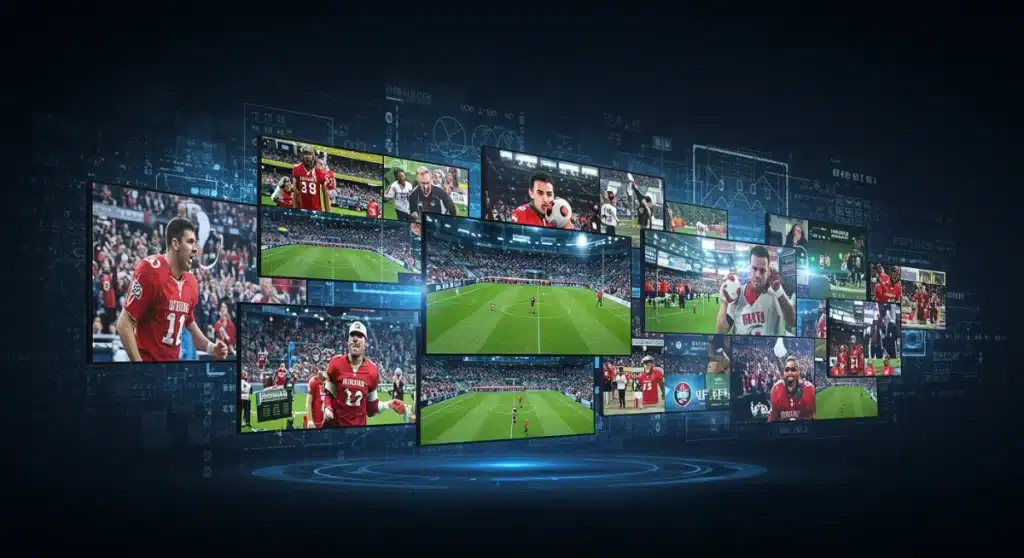
Latest developments on the Live Sports Streaming Shift in the United States show a rapid transition from traditional TV to digital platforms. Major leagues are expanding partnerships with streaming services, accelerating a move toward fully digital distribution by 2026.
Recent updates highlight increased demand for on-demand viewing, multi-device access, and personalized features such as real-time stats and interactive feeds. Verified industry insights indicate that younger audiences are driving this shift, favoring flexibility over scheduled broadcasts.
Looking ahead, stakeholders should monitor subscription pricing models, exclusive streaming rights, and platform competition. Key factors include user experience, content accessibility, and how leagues balance revenue between traditional broadcasters and digital platforms.
The Unstoppable Tide: Why Digital is the Future for Live Sports
The move towards digital platforms for live sports streaming is not merely a trend; it represents a fundamental recalibration of how sports content is delivered and consumed globally. Factors such as changing audience demographics and technological advancements are accelerating this transition.
Viewers, especially younger generations, increasingly prefer flexible viewing options over rigid broadcast schedules. This preference necessitates a robust digital infrastructure capable of delivering high-quality, real-time content across various devices.
The financial incentives for leagues are also substantial, as direct-to-consumer models offer greater control over content, enhanced data analytics, and potentially higher revenue streams, free from traditional intermediary constraints.
Consumer Demands and Technological Evolution
Modern sports fans expect instant access, personalized experiences, and the ability to watch games on any device, anywhere. This demand is fueled by the ubiquity of high-speed internet and advanced streaming technologies.
The ability to pause, rewind, and access supplementary content like statistics and multiple camera angles further enhances the digital viewing experience.
This level of interactivity and control is difficult to replicate with conventional linear television broadcasts.
- On-Demand Access: Viewers prioritize flexibility, watching games at their convenience.
- Multi-Device Compatibility: Seamless viewing across smartphones, tablets, smart TVs, and computers.
- Interactive Features: Access to real-time stats, alternate camera angles, and social media integration.
- Personalized Content: Tailored recommendations and customized viewing dashboards.
Revenue Streams and Direct-to-Consumer Models
Leagues are increasingly recognizing the vast financial potential of owning their distribution channels.
By bypassing traditional broadcasters, they can directly engage with their fanbase and capture a larger share of subscription revenues.
This direct-to-consumer approach also allows for more targeted advertising and sponsorship opportunities, leveraging detailed viewer data.
The ability to control the entire fan experience, from content delivery to customer service, is a compelling proposition.
Major Players: Identifying the Leagues Leading the Digital Charge
While specific announcements are still unfolding, industry analysts and insider reports point to several key professional sports organizations that are aggressively pursuing a full digital transition by 2026. These leagues are investing heavily in infrastructure and strategic partnerships.
The implications of these shifts will resonate across the entire sports media landscape, forcing other leagues and traditional broadcasters to adapt or risk obsolescence. The pioneering efforts of these leagues will set new benchmarks for digital sports delivery.
Their decisions are not made in isolation; they reflect a comprehensive analysis of market trends, fan engagement metrics, and long-term financial sustainability. The move signifies a confident leap into the digital future.
League A: A Global Powerhouse Embracing Digital
One prominent league, known for its global reach and massive fanbase, is reportedly in advanced stages of planning its complete digital migration.
This league’s strategy focuses on creating a unified global streaming platform, offering unparalleled access to its extensive content library.
Their move is expected to significantly impact international broadcast rights, potentially consolidating viewership onto their proprietary service. The emphasis is on delivering a premium, immersive experience that transcends geographical boundaries.
- Unified Global Platform: Centralized streaming for worldwide access.
- Enhanced Content Library: Access to archives, documentaries, and exclusive behind-the-scenes footage.
- International Rights Consolidation: Streamlining global distribution and maximizing revenue.
League B: Innovating Fan Engagement Through Streaming
Another major league, celebrated for its innovative approach to fan engagement, is set to leverage digital streaming to deepen its connection with supporters.
Their strategy includes interactive features, personalized content feeds, and integration with fantasy sports and gaming platforms.
This league aims to transform passive viewing into an active and participatory experience, fostering a stronger community around its sport. The digital platform will serve as a hub for all fan-related activities, from live games to merchandise sales.
Technological Backbone: The Infrastructure Powering the Shift
The successful execution of a full digital shift for live sports streaming requires a robust and scalable technological infrastructure. This includes advanced content delivery networks (CDNs), cloud-based processing, and sophisticated data analytics platforms.
Investing in these technologies is paramount to ensure high-quality, low-latency streams that can handle peak demand without interruption. The complexity of delivering live sports globally demands cutting-edge solutions.
Cybersecurity measures and digital rights management (DRM) are also critical components, protecting valuable content from piracy and ensuring secure access for legitimate subscribers. The technological challenges are significant but not insurmountable.
The Role of CDNs and Cloud Computing
Content Delivery Networks are essential for distributing live streams efficiently to a global audience, minimizing buffering and latency. By caching content closer to viewers, CDNs ensure a smooth and high-quality viewing experience, regardless of geographical location.
Cloud computing platforms provide the necessary scalability and flexibility for processing vast amounts of live video data, transcoding it into various formats, and managing user authentication. This dynamic infrastructure can adapt to fluctuating audience sizes and content demands.
The reliance on cloud infrastructure also facilitates rapid deployment of new features and updates, keeping the streaming platforms at the forefront of technological innovation. This agility is crucial in the fast-evolving digital landscape.
Data Analytics and Personalized Experiences
Advanced data analytics are at the heart of personalized live sports streaming. By collecting and analyzing viewer data, leagues can gain insights into consumption patterns, preferences, and engagement levels.
This data enables platforms to offer tailored content recommendations, customized advertising, and even dynamic pricing models for subscriptions. The goal is to create a highly individualized experience that keeps fans engaged and loyal.
Furthermore, data analytics can inform strategic decisions regarding content production, scheduling, and marketing efforts, ensuring that resources are allocated effectively. This data-driven approach is a significant advantage of digital platforms over traditional broadcasting.
Implications for Traditional Broadcasters and Media Rights
The full digital shift by these major sports leagues poses a significant challenge to traditional linear television broadcasters. Their long-standing dominance in sports rights acquisition is being directly threatened by the leagues’ desire to control their own destiny.
This shift could lead to a fragmentation of sports content, forcing viewers to subscribe to multiple streaming services to watch all their favorite sports. Traditional broadcasters will need to innovate and adapt their business models to remain relevant.
Some may pivot to becoming aggregators of digital content, while others might focus on niche sports or develop enhanced studio programming around the live events. The competitive landscape is set for a dramatic overhaul.
Shifting Media Rights Landscape
The traditional model of selling exclusive media rights to a single broadcaster for a fixed period is becoming obsolete. Leagues are exploring hybrid models, including direct-to-consumer offerings alongside limited linear broadcast partnerships.
This new approach allows leagues to maximize revenue by segmenting their audience and offering different tiers of access. The negotiation power is shifting firmly towards the content creators – the sports leagues themselves.
Broadcasters will need to demonstrate unique value propositions beyond just distribution, perhaps by offering enhanced production quality, exclusive commentary, or integrating their own complementary content. The era of passive rights acquisition is over.
The Rise of Sports-Centric Streaming Services
The trend towards specialized, sports-centric streaming services is accelerating. These platforms offer a dedicated experience for sports fans, often including exclusive content, interactive features, and community building tools.
This specialization allows for a deeper dive into individual sports, providing fans with everything they need in one place. The competition among these services will likely drive innovation and improve the overall fan experience.
As more leagues opt for direct-to-consumer models, these sports-centric platforms could become the primary destination for live sports viewing, further eroding the market share of general entertainment streamers and traditional broadcasters.
The Fan Experience: What Changes for Viewers?
For the average sports fan, the full digital shift promises a more flexible, personalized, and interactive viewing experience. The days of being tied to a television schedule are rapidly fading, replaced by the freedom to watch what you want, when you want, and how you want.
However, this convenience may come with the caveat of needing multiple subscriptions to access all desired content. The fragmentation of sports broadcasts could introduce a new level of complexity for consumers.
Leagues and platforms will need to balance accessibility with profitability, ensuring that the enhanced experience justifies the potential increase in subscription costs for the dedicated fan base.
Enhanced Accessibility and Personalization
The primary benefit for fans will be unparalleled accessibility. Games will be available on a multitude of devices, allowing for seamless viewing whether at home, on the go, or even during commutes. This flexibility caters directly to modern lifestyles.
Personalization will also reach new heights, with platforms offering tailored content based on viewing history, favorite teams, and individual preferences. This could include highlights packages, behind-the-scenes access, and exclusive interviews.
Imagine a dashboard that instantly provides scores and news for your favorite teams across multiple sports, along with recommendations for upcoming games. This level of customization elevates the entire fan experience beyond anything previously available.
Potential Challenges: Cost and Content Fragmentation
Despite the advantages, the digital shift presents potential challenges for fans, primarily concerning cost and content fragmentation. As more leagues launch their own streaming services, fans might face a growing number of subscriptions.
This ‘subscription fatigue’ could lead to higher overall monthly expenses for sports enthusiasts. Furthermore, the fragmentation of content across various platforms might make it harder to find and access specific games or events.
Leagues and streaming providers will need to address these concerns to ensure widespread adoption and satisfaction. Bundling options, flexible subscription models, and clear communication about content availability will be crucial for managing fan expectations.
Economic Impact and Future Projections for Live Sports Streaming Shift
The economic ramifications of this full digital shift are profound, extending beyond just media rights and subscription revenues. It impacts advertising markets, sponsorship deals, and even the valuation of sports franchises.
The ability to directly monetize a global fanbase offers unprecedented opportunities for growth and expansion. New business models, such as micro-transactions for specific game features or premium content, could emerge.
Analysts project significant growth in the live sports streaming market, with billions of dollars at stake as leagues vie for digital dominance. The future of sports economics is intrinsically linked to this digital transformation.
New Revenue Streams and Global Reach
Digital platforms open up entirely new revenue streams for sports leagues. Beyond subscriptions and advertising, opportunities arise from e-commerce integration, virtual reality experiences, and even blockchain-based fan tokens.
The global reach of digital streaming allows leagues to tap into previously underserved markets, expanding their fanbase and increasing their commercial footprint worldwide. This internationalization is a key driver of growth.
Consider the potential for localized content and commentary, catering to diverse linguistic and cultural preferences across different regions. This level of customization can significantly boost engagement and monetization in new territories.
Investment in Technology and Talent
The digital shift necessitates substantial investment in technology, including advanced streaming infrastructure, cybersecurity, and data science capabilities. This creates new jobs and fosters innovation within the tech sector.
Furthermore, there’s a growing demand for talent skilled in digital content production, platform management, and data analytics. The sports industry is becoming increasingly intertwined with the technology industry, driving a new wave of collaboration.
This investment ensures that the quality and reliability of live sports streaming continue to improve, meeting the high expectations of modern consumers. It’s a virtuous cycle where technological advancement fuels fan engagement and economic growth.
Challenges and Opportunities for Leagues in the Digital Era
While the digital transition presents immense opportunities, leagues also face significant challenges. Ensuring a seamless user experience, combating piracy, and maintaining broadcast quality across diverse networks are ongoing concerns.
The competition for viewer attention in a crowded digital landscape is fierce, requiring continuous innovation in content and platform features. Leagues must also navigate complex regulatory environments and intellectual property laws across different jurisdictions.
However, the opportunities for direct fan engagement, global expansion, and diversified revenue streams far outweigh these challenges. The strategic adoption of digital technologies is critical for long-term success.
Ensuring Quality and Combating Piracy
Delivering high-definition, low-latency live streams consistently across various devices and internet speeds is a major technical challenge. Any degradation in quality can quickly lead to viewer dissatisfaction and churn.
Piracy remains a persistent threat, with illegal streams undermining revenue generation. Leagues must invest in robust digital rights management and anti-piracy measures to protect their valuable content and intellectual property.
The battle against piracy is a continuous one, requiring constant vigilance and technological advancements. Collaborations with law enforcement and industry partners are also crucial in this ongoing effort.
Innovation in Content and Engagement
To stand out in the competitive streaming market, leagues must constantly innovate their content offerings and fan engagement strategies. This includes exploring new formats, interactive features, and supplementary programming.
Integrating augmented reality (AR) and virtual reality (VR) into live broadcasts could offer immersive experiences that redefine sports viewing. The goal is to make the digital experience even more compelling than traditional viewing.
Experimenting with different broadcast styles, incorporating fan-generated content, and creating personalized narrative arcs around games can significantly enhance engagement and differentiation. The creative possibilities are vast in the digital realm.
The Road Ahead: What to Expect by 2026 and Beyond
By 2026, the sports media landscape will look significantly different. The full digital shift by these three major leagues will likely catalyze similar transformations across other sports and entertainment sectors.
We can anticipate a future where sports content is increasingly consumed through personalized, interactive streaming services, offering a level of control and immersion previously unimaginable. The traditional television model will likely become a niche offering.
The industry will continue to evolve rapidly, driven by technological innovation and changing consumer preferences, with the Live Sports Streaming Shift becoming a defining characteristic of modern sports consumption.
Consolidation and New Partnerships
The coming years may see a period of consolidation in the streaming market, with major tech companies potentially acquiring sports leagues or forming deeper partnerships. This could lead to integrated entertainment ecosystems.
New types of partnerships between leagues, technology providers, and even telecommunication companies will emerge, aiming to create seamless and comprehensive fan experiences. The competitive landscape will continue to shift dynamically.
These collaborations will be vital for overcoming the technical and logistical challenges of global digital distribution, ensuring that the promise of the Live Sports Streaming Shift is fully realized for fans worldwide.
The Evolving Definition of a ‘Fan’
As sports consumption becomes more personalized and interactive, the very definition of a ‘fan’ will evolve. Fans will not just be passive viewers but active participants in the sports ecosystem, influencing content and engaging directly with their favorite teams and players.
Fantasy sports, sports betting, and social media integration will become even more intertwined with the live viewing experience. This deeper engagement fosters stronger communities and a more profound connection to the sport.
The Live Sports Streaming Shift is not just about technology; it’s about reimagining the relationship between sports and its audience, creating a more dynamic and inclusive experience for everyone involved.
| Key Point | Brief Description |
|---|---|
| Digital Transition Drivers | Consumer demand for flexibility, technological advancements, and new revenue models drive the Live Sports Streaming Shift. |
| League Pioneers | Three major leagues are spearheading the full digital shift, setting new industry standards by 2026. |
| Impact on Broadcasters | Traditional broadcasters face significant challenges, necessitating adaptation and innovation in their business models. |
| Fan Experience | Fans gain enhanced accessibility and personalization but may face content fragmentation and increased subscription costs. |
Frequently Asked Questions About the Live Sports Streaming Shift
While specific names are often under non-disclosure agreements until official announcements, industry reports indicate several global powerhouses and innovative leagues are leading this charge. These include organizations with significant international reach and a strong digital strategy, aiming to control their content distribution directly.
The impact will be substantial, potentially eroding their exclusive sports rights. Broadcasters may need to shift towards becoming content aggregators or focus on niche sports and complementary programming. This forces them to innovate their business models to remain competitive in the evolving media landscape.
Fans can expect greater flexibility, on-demand access to games across multiple devices, and a more personalized viewing experience. This includes interactive features, custom content feeds, and deeper engagement possibilities, moving beyond the constraints of linear television schedules to a more dynamic model.
Potential downsides include content fragmentation, requiring subscriptions to multiple services to access all desired sports. This could lead to increased overall costs for dedicated fans. Leagues and platforms will need to address these issues to ensure broad consumer satisfaction and avoid ‘subscription fatigue.’
Key technologies include advanced Content Delivery Networks (CDNs) for efficient global distribution, robust cloud computing for scalability, and sophisticated data analytics platforms for personalization. Cybersecurity and Digital Rights Management (DRM) are also vital to protect content and ensure secure access, underpinning the entire Live Sports Streaming Shift.
What Happens Now
The impending full digital shift by three major sports leagues by 2026 signals a definitive turning point in how live sports are consumed globally.
This transformation is not merely about technology; it’s a fundamental reimagining of the fan experience, revenue models, and the competitive landscape of sports media.
Stakeholders, from fans to broadcasters, must prepare for a future defined by increased personalization, direct-to-consumer access, and continuous innovation in content delivery.
The Live Sports Streaming Shift will continue to be a dominant narrative in the entertainment industry, demanding constant attention and adaptation from all involved parties as the landscape evolves.