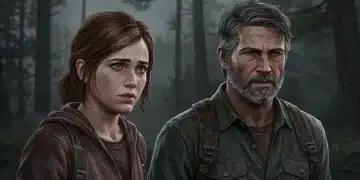
The Last of Us Season 2 Streaming Premiere Date Locked
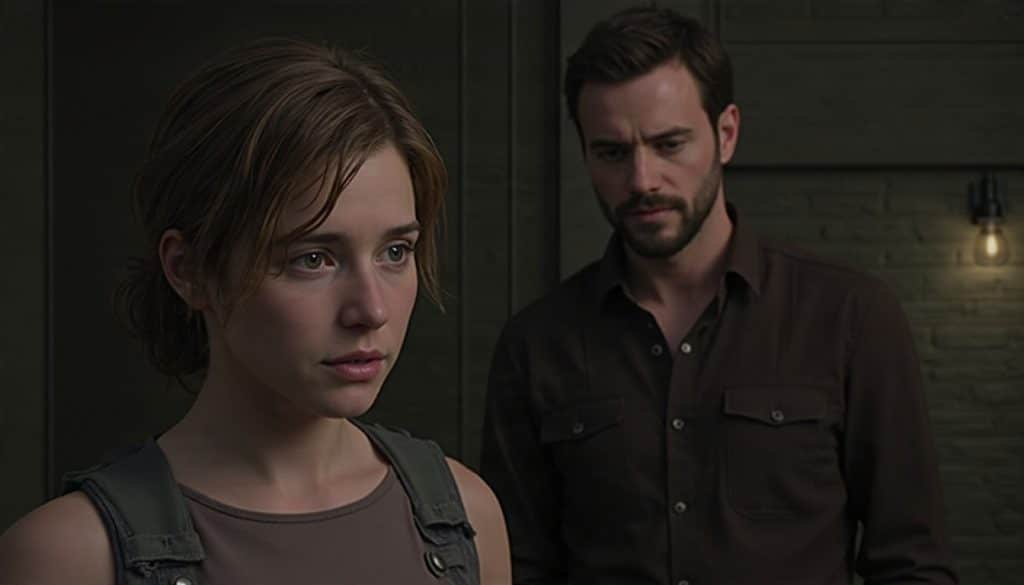
The Last of Us Season 2 premiered on HBO and Max on April 13, 2025, with seven episodes concluding on May 25, 2025.
The second season continues Ellie and Joel’s story five years after the first season, introducing Abby, Dina, Jesse, and a darker adaptation of The Last of Us Part II.
The Last of Us Season 2 premiere date was April 13, 2025, when HBO launched the second installment of its acclaimed post-apocalyptic television adaptation.
The season contains seven episodes, fewer than the first season’s nine, and concluded its original United States broadcast on May 25, 2025.
With returning characters, important new cast members, and a narrative inspired by The Last of Us Part II, the season expands the series’ exploration of survival, relationships, and revenge.
The Official Premiere Date for The Last of Us Season 2
HBO officially scheduled the second season of The Last of Us for Sunday, April 13, 2025, following earlier announcements indicating an April release.
The premiere aired at 9 p.m. Eastern Time in the United States and became available through HBO’s streaming service.
As of 2026, the complete seven-episode season has already been released, allowing viewers to watch the story without waiting for additional weekly installments.
When Did The Last of Us Season 2 Premiere?
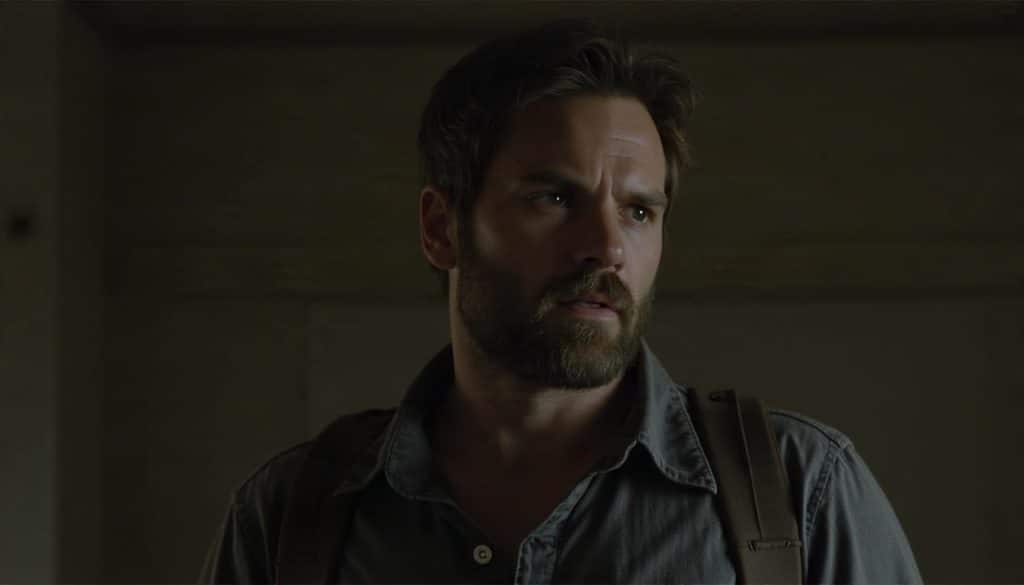
The official The Last of Us Season 2 premiere date was April 13, 2025, marking the series’ return more than two years after its first-season debut.
The season premiered simultaneously on HBO and its associated streaming service in the United States, following the company’s established release strategy for original programming.
Viewers seeking additional context can explore this guide to The Last of Us Season 2 and its story developments.
When Did the Season 2 Finale Air?
The seventh and final episode premiered on May 25, 2025, completing a seven-week Sunday release schedule.
The original broadcast began in April and continued throughout May, with each episode advancing the show’s central character conflicts.
Because the complete season is now available, viewers can follow the narrative at their own pace instead of depending on the original weekly schedule.
Where Can You Stream Season 2 in the United States?
The Last of Us is an HBO original series available through HBO’s streaming service, branded HBO Max in the United States.
Access depends on the viewer’s subscription, geographic location, and the service’s current distribution arrangements.
The official The Last of Us Season 2 streaming page provides information about its seven released episodes.
Why Season 2 Has Seven Episodes
The first season of The Last of Us contained nine episodes, while the second season was produced with seven.
The shorter episode count reflects a different approach to adapting the larger narrative of The Last of Us Part II across multiple television seasons.
However, the announcement of seven episodes does not establish that every episode was extended beyond ordinary television runtimes.
Why Fewer Episodes Made Sense for the Adaptation
The Last of Us Part II presents a substantially larger narrative than the first video game, introducing additional characters, locations, and shifting perspectives.
Rather than adapting the complete game within one season, the creative team divided its material into a broader television storyline.
The seven-episode structure allowed Season 2 to establish major conflicts while reserving further developments for the show’s continuation.
Were All Seven Episodes Extended?
HBO officially confirmed the second season’s seven-episode count, but the original announcement did not describe every installment as an extended episode.
Individual episode runtimes varied, with some installments running longer than others according to their storytelling requirements.
Therefore, descriptions of seven uniformly extended episodes should not be treated as an official production detail.
How the Structure Compares With Season 1
The first season adapted the main events of the original The Last of Us game across nine episodes, creating a relatively self-contained narrative arc.
Season 2 begins adapting the sequel, which features a larger cast and more complicated relationships between its principal characters.
Comparing the seasons shows that episode count alone does not determine narrative complexity or whether a television adaptation feels complete.
Returning Cast Members and New Characters
The second season brings back established performers while introducing characters essential to the story adapted from The Last of Us Part II.
Pedro Pascal and Bella Ramsey return as Joel and Ellie, continuing the relationship that formed the emotional foundation of the first season.
New cast members include Kaitlyn Dever, Isabela Merced, and Young Mazino, whose characters become increasingly important to the unfolding narrative.
Pedro Pascal and Bella Ramsey Return
Pedro Pascal returns as Joel, a survivor whose decisions during the first season continue shaping his relationship with Ellie.
Bella Ramsey reprises the role of Ellie, now older and confronting increasingly complicated questions about trust, identity, and personal responsibility.
Their performances remain central to the second season, particularly as the characters experience growing tension following the events of the original story.
Other Returning Characters
Gabriel Luna returns as Tommy, Joel’s brother, whose role connects the family relationships established during the first season.
Rutina Wesley also returns as Maria, providing continuity within the community of Jackson and its surrounding relationships.
These returning characters help establish the setting and emotional stakes before the narrative expands into new conflicts.
Kaitlyn Dever Joins as Abby
Kaitlyn Dever portrays Abby, an important character introduced through the events adapted from The Last of Us Part II.
Her character represents another perspective on the consequences of violence, making her essential to the story’s examination of revenge.
Abby’s introduction also creates opportunities for the television series to explore motivations and relationships from different sides of the central conflict.
Isabela Merced and Young Mazino
Isabela Merced plays Dina, whose relationship with Ellie contributes significantly to the emotional development of the season.
Young Mazino portrays Jesse, another important character connected to Ellie’s life and the community surrounding Jackson.
Together, these additions broaden the relationships explored in the series and strengthen its focus on people navigating difficult circumstances.
How Season 2 Adapts The Last of Us Part II
The second season draws its central story from The Last of Us Part II, the 2020 video game developed by Naughty Dog.
Its narrative examines revenge, grief, loyalty, and the consequences of actions taken by individuals with competing motivations.
Readers interested in a closer examination of these themes can explore this analysis of how Season 2 adapts the game’s controversial story.
The Five-Year Time Jump
The second season takes place five years after the events depicted during the first installment of the HBO television series.
This passage of time allows the narrative to explore how Joel and Ellie have changed while living within a more established community.
The time jump also introduces new relationships and conflicts that would not have been possible during their earlier journey.
The Themes of Revenge and Consequences
Revenge becomes a major narrative theme, influencing the decisions of characters whose experiences have shaped their understanding of justice.
The series explores how personal suffering can affect relationships and encourage choices with serious consequences for other people.
This approach provides a darker emotional framework than a conventional survival adventure centered exclusively on overcoming external threats.
Changes Between the Game and Television Series
Television adaptations often adjust narrative structure, dialogue, characterization, and scene progression to fit the requirements of episodic storytelling.
Season 2 retains major elements from the game while introducing changes to how certain interactions and events are presented.
These adaptations can help clarify motivations for viewers unfamiliar with the original material, although existing fans may interpret the changes differently.
Why the Game’s Story Requires Multiple Seasons
The Last of Us Part II features a substantial narrative involving different perspectives, extensive character development, and numerous interconnected events.
Compressing the complete story into seven television episodes would substantially limit the available space for those developments.
HBO’s decision to continue the adaptation beyond Season 2 creates opportunities to explore additional material without treating the sequel as a single-season storyline.
The Story’s Emotional and Character Development
The Last of Us has consistently placed personal relationships at the center of its fictional post-apocalyptic world.
Although infected creatures and dangerous environments remain important, the series often emphasizes conflicts between survivors with different experiences and goals.
Season 2 expands these concerns through its portrayal of grief, fractured trust, and difficult decisions affecting the principal characters.
Ellie’s Changing Role
Ellie becomes increasingly independent as she navigates relationships, responsibilities, and unresolved tensions from her earlier experiences.
Her decisions reflect both the consequences of her past and the complicated circumstances surrounding the people she cares about.
This development helps distinguish the second season from the first, which focused heavily on Joel’s responsibility for protecting her.
Joel’s Continuing Influence
Joel remains essential to the series because his choices continue influencing the story even when the narrative shifts toward other characters.
His relationship with Ellie raises difficult questions about loyalty, protection, and the consequences of withholding important information.
These themes contribute to the emotional tension that defines much of the second season’s storytelling.
Introducing Different Perspectives
Abby’s introduction creates an opportunity to examine the narrative from outside the experiences of Joel and Ellie.
Her presence challenges the assumption that every conflict can be understood through the perspective of one established protagonist.
By emphasizing competing motivations, the series encourages viewers to consider how violence affects people across different relationships and communities.
Production and Filming Locations
Production for the second season took place primarily in British Columbia, Canada, where the landscapes supported the show’s post-apocalyptic visual style.
The region provided urban environments, forests, and other locations suitable for recreating settings inspired by the game’s fictional world.
These production choices helped maintain continuity with the series’ established atmosphere while supporting the expanded scale of its narrative.
Why British Columbia Was Selected
British Columbia offers a variety of natural landscapes and urban environments that can support productions requiring different visual settings.
The area’s film production infrastructure also provides access to experienced crews, specialized facilities, and logistical resources.
These characteristics made the region suitable for creating the environmental variety required by the second season.
Recreating Post-Apocalyptic Environments
The television adaptation uses a combination of real locations, production design, visual effects, and practical techniques to establish its abandoned environments.
Overgrown streets, deteriorating buildings, and carefully designed interior spaces help communicate the passage of time within the fictional world.
The visual approach supports the narrative by making each location feel connected to the characters’ experiences and the history of the outbreak.
The Importance of Practical Effects
Practical effects contribute to the physical appearance of infected creatures, damaged environments, and other elements requiring close interaction with actors.
Digital techniques can supplement these effects when scenes require additional scale or environments that cannot be created entirely on location.
Combining these approaches helps maintain a consistent visual identity across the series’ action sequences and quieter dramatic scenes.
Audience Response and Fan Discussions
The second season attracted attention from viewers familiar with both the HBO adaptation and the original video game franchise.
Much of the discussion involved how the series would handle controversial story developments and introduce characters with different perspectives.
Reactions also reflected broader questions about whether television adaptations should closely reproduce their source material or introduce substantial creative changes.
Why the Story Generated Debate
The Last of Us Part II became known for narrative decisions that challenged some players’ expectations regarding established characters.
Adapting these events for television introduced the story to audiences with different levels of familiarity with the games.
As a result, discussions included both comparisons with the source material and independent assessments of the television series’ storytelling.
How Fans Responded to the New Characters
The introduction of Abby, Dina, and Jesse expanded the fictional world and created new relationships for viewers to evaluate.
Fans of the video game could compare these portrayals with their previous experiences, while newcomers encountered the characters through the adaptation itself.
These different perspectives help explain why discussions surrounding performances and narrative choices can vary considerably between audiences.
Expectations for the Next Season
Following the second season’s conclusion, viewers began looking toward the continuation of the story and the consequences of the final episode.
Because the adaptation has not yet covered every major component of The Last of Us Part II, substantial material remains available for further storytelling.
However, specific future events and release schedules should not be treated as confirmed until HBO announces them officially.
What Season 2 Means for HBO’s Streaming Strategy
The Last of Us is one of HBO’s high-profile television adaptations, combining an established video game franchise with premium scripted drama.
Its return provided the company with another major original series capable of attracting attention across entertainment media and digital platforms.
However, claims about specific subscriber growth or long-term financial effects require company disclosures rather than assumptions based on the series’ popularity.
HBO’s Position in the Streaming Market
Original television series are important components of streaming competition because exclusive programming can influence consumer subscription decisions.
HBO’s investment in The Last of Us demonstrates how established entertainment properties can support premium storytelling across different media formats.
For broader context, this article examines streaming services and subscriber growth strategies.
Why Video Game Adaptations Matter
Video games offer established fictional worlds, recognizable characters, and narratives that may appeal to audiences beyond their original players.
However, adapting interactive material requires creative decisions because television audiences do not control characters or participate directly in gameplay.
The Last of Us demonstrates how a game adaptation can emphasize character relationships and dramatic storytelling while preserving recognizable elements of its source.
How Subscription Value Influences Viewers
Streaming audiences often compare subscription prices, exclusive programs, advertising options, and available libraries before deciding which services to maintain.
A complete season may appeal to viewers who prefer watching several episodes within a shorter subscription period rather than following weekly releases.
Readers comparing services can also explore this guide to streaming platforms and subscription value.
The Last of Us Season 3: What Has Been Confirmed?
HBO officially renewed The Last of Us for a third season on April 9, 2025, shortly before the second season’s premiere.
The announcement confirmed that the television adaptation would continue beyond the seven episodes originally scheduled for Season 2.
As of November 2026, viewers should distinguish this confirmed renewal from predictions concerning future episode counts, story developments, or premiere dates.
When HBO Announced the Renewal
The official third-season renewal was announced on April 9, 2025, four days before the second season began airing.
This early decision demonstrated the network’s intention to continue adapting the franchise without waiting for the second season’s complete broadcast.
The renewal was confirmed through Warner Bros. Discovery’s official press release.
What Story Material Remains?
The second season does not fully adapt the events of The Last of Us Part II, leaving additional material available for subsequent television installments.
The remaining narrative includes opportunities to explore different character perspectives and continue examining the consequences of earlier decisions.
However, the exact order, scope, and presentation of future events depend on the adaptation decisions made by the creative team.
Where to Follow Official Updates
HBO and Warner Bros. Discovery publish announcements about renewals, premieres, casting, and other major production developments through official channels.
These sources are more reliable for confirmed release details than speculative reports or promotional material without identified attribution.
Viewers can monitor the official Warner Bros. Discovery page for The Last of Us for additional series information.
Key Facts About The Last of Us Season 2
The second season premiered on April 13, 2025, and concluded its original seven-episode run on May 25, 2025.
Pedro Pascal and Bella Ramsey returned alongside a larger cast, while the story began adapting the events of The Last of Us Part II.
The original table below has been preserved for reference, but its description of seven uniformly extended episodes should not be interpreted as an official HBO confirmation.
| Key Point | Brief Description |
|---|---|
| Premiere Date | HBO locked The Last of Us Season 2 for early 2025. |
| Episode Count | Season 2 will feature 7 extended episodes, promising deeper narrative. |
| Cast & Plot | Pedro Pascal, Bella Ramsey return; adapting Part II with new cast. |
| Production | Filming in British Columbia, aiming for high fidelity to the source. |
Frequently Asked Questions About The Last of Us Season 2
When did The Last of Us Season 2 premiere?
The second season premiered on HBO and Max in the United States on April 13, 2025.
How many episodes are in The Last of Us Season 2?
Season 2 contains seven episodes, compared with nine episodes in the first season.
When did the Season 2 finale air?
The seventh and final episode premiered on May 25, 2025.
Are all seven episodes extended?
No official announcement established that all seven episodes were extended. Their runtimes vary.
Where can I watch The Last of Us Season 2?
The season is available through HBO’s streaming service in the United States, subject to an appropriate subscription.
Does Pedro Pascal return in Season 2?
Yes. Pedro Pascal returns as Joel, continuing the character’s role in the television adaptation.
Does Bella Ramsey return as Ellie?
Yes. Bella Ramsey reprises the role of Ellie, whose development becomes central to the second season.
Who plays Abby in Season 2?
Kaitlyn Dever portrays Abby, an important character adapted from The Last of Us Part II.
Who plays Dina?
Isabela Merced plays Dina, a character whose relationship with Ellie influences the story’s emotional direction.
Who plays Jesse?
Young Mazino portrays Jesse, another important character associated with the community of Jackson.
How much time passes between Seasons 1 and 2?
The second season takes place five years after the events of the first season.
Which game does Season 2 adapt?
It begins adapting The Last of Us Part II, originally released by Naughty Dog in 2020.
Does Season 2 adapt the entire second game?
No. The adaptation continues beyond Season 2, with additional narrative material available for the third season.
Where was Season 2 filmed?
Filming took place primarily in British Columbia, Canada, using various locations to create the series’ fictional environments.
Has The Last of Us Season 3 been confirmed?
Yes. HBO officially renewed the series for a third season on April 9, 2025.
Conclusion
The official The Last of Us Season 2 premiere date was April 13, 2025, beginning a seven-episode season that concluded on May 25 of the same year.
With returning performers, new characters, and a darker story inspired by The Last of Us Part II, the adaptation expands the emotional and narrative scope established by its first season.
Now that all seven episodes have been released and a third season has been confirmed, viewers can revisit the complete second installment while following HBO’s official announcements for the next chapter.