WoT Season 3: Solutions for Book-to-Screen Departures

Anticipate The Wheel of Time Season 3: Practical Solutions to Prepare for its 3 Shocking Book-to-Screen Departures. This article provides essential context, expert analysis, and practical advice for fans navigating the upcoming narrative shifts. Understand the key changes and maintain an informed perspective.
The Wheel of Time Season 3: Practical Solutions to Prepare for its 3 Shocking Book-to-Screen Departures is shaping today’s agenda with new details released by officials and industry sources. This update prioritizes what changed, why it matters and what to watch next, in a straightforward news format.
Understanding the Landscape of Adaptation Challenges
Adapting Robert Jordan’s sprawling epic, The Wheel of Time, for the screen presents inherent challenges. The sheer volume of material, intricate lore, and beloved character arcs necessitate difficult choices in translation.
Fans of the book series often hold deep-seated expectations, making any deviation a point of intense scrutiny and discussion. Recognizing this, the production team faces the delicate task of honoring the source material while crafting a compelling television narrative.
The upcoming Wheel of Time Season 3 Departures are not merely minor alterations but significant shifts that demand a proactive approach from viewers. Preparing for these changes can enhance enjoyment and foster a deeper appreciation for the series’ creative direction.
Departure One: The Narrative Consolidation of Key Events
One of the most anticipated Wheel of Time Season 3 Departures involves the consolidation of several pivotal book events into a more streamlined narrative. This approach, while efficient for television pacing, means that some revered storylines might be condensed or altered.
This strategic decision aims to maintain a brisk pace, ensuring that the core emotional and plot beats resonate effectively with a broader audience. While certain subplots may be minimized, the overarching impact of these consolidated events is expected to remain intact, albeit with a different presentation.
For book readers, understanding that narrative efficiency often dictates these changes is crucial. The series must balance fidelity with the demands of episodic television, and the consolidation of events is a practical solution to this adaptation dilemma, particularly for The Wheel of Time Season 3: Practical Solutions to Prepare for its 3 Shocking Book-to-Screen Departures.
Navigating the Merged Storylines
The merging of storylines from different books into a single season can be disorienting for those familiar with the original chronology. It requires viewers to adopt a flexible mindset regarding the narrative timeline.
Instead of expecting a direct chapter-by-chapter adaptation, fans should focus on the thematic consistency and character development. The core emotional journeys of Rand, Egwene, Nynaeve, and Perrin are likely to remain central, even if the paths they take diverge.
Engaging with online discussions and official showrunner interviews can provide valuable context and insight into these narrative choices. This proactive engagement helps in understanding the creative rationale behind the Wheel of Time Season 3 Departures.
Departure Two: Character Arc Reinterpretations and Emphasis Shifts
Another significant aspect of The Wheel of Time Season 3: Practical Solutions to Prepare for its 3 Shocking Book-to-Screen Departures concerns the reinterpretation and shifting emphasis of certain character arcs. While the essential nature of the main characters will likely endure, their individual journeys may take different routes or receive varying degrees of focus.
This is a common practice in adaptations, allowing writers to explore new facets of established personalities or to better integrate them into the show’s specific narrative flow. Some characters who were secondary in the books might gain more prominence, while others might see their roles slightly diminished.
Embracing these character-centric changes means appreciating the actors’ interpretations and the writers’ vision for these iconic figures. It provides an opportunity to see beloved characters in a new light, fostering fresh perspectives on their motivations and growth.
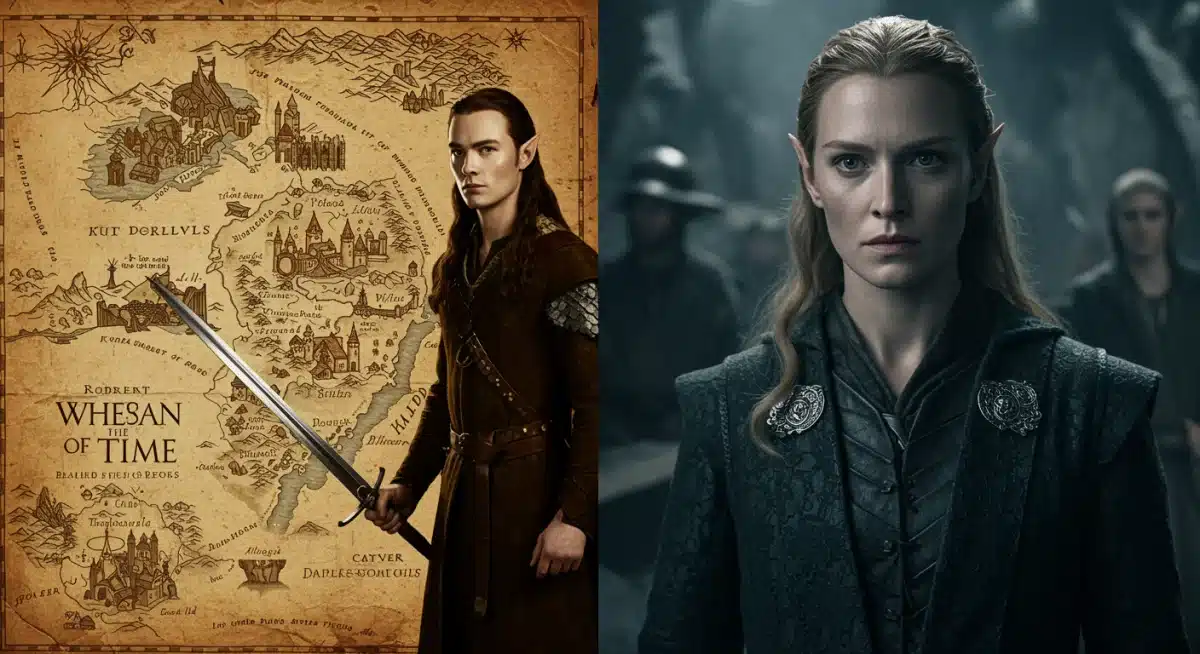
Adjusting to Evolving Character Portrayals
Fans often develop strong connections with book characters, making changes to their portrayals a sensitive issue. It’s important to recognize that a visual medium offers different storytelling opportunities than a written one, influencing how characters are presented.
The show might prioritize visual impact or dramatic tension in ways the books did not, leading to altered character dynamics or motivations. Maintaining an open mind allows for a deeper appreciation of the actors’ craft and the show’s artistic direction.
Consider these reinterpretations as parallel explorations of the characters rather than strict replacements. This perspective can help mitigate potential disappointment regarding The Wheel of Time Season 3: Practical Solutions to Prepare for its 3 Shocking Book-to-Screen Departures.
Departure Three: Modifications to Key Lore and Worldbuilding Elements
The third major area of The Wheel of Time Season 3: Practical Solutions to Prepare for its 3 Shocking Book-to-Screen Departures involves modifications to specific lore and worldbuilding elements. Jordan’s world is incredibly detailed, with intricate magical systems, historical events, and cultural nuances.
Due to time constraints and the visual medium’s limitations, some of these details might be simplified, combined, or even omitted. This doesn’t necessarily detract from the world’s richness but rather focuses on what is most essential for the television narrative to progress effectively.
These changes are often made to ensure clarity and accessibility for viewers who may not be familiar with the extensive source material. The goal is to create a coherent and engaging world that functions well on screen, even if it differs in some specifics from the books.
Reconciling Lore Differences
The alterations to lore can sometimes feel jarring for long-time readers who have internalized every detail of Jordan’s world. It’s helpful to remember that adaptation is an act of interpretation, not just replication.
Focus on the spirit of the lore and its functional role within the story, rather than getting caught up in every minute deviation. The core magical principles and historical significance are likely to remain, even if their presentation is altered.
Engaging with supplementary materials, such as behind-the-scenes features or official companion guides, can offer explanations for these lore adjustments and provide a deeper understanding of the creative process behind The Wheel of Time Season 3: Practical Solutions to Prepare for its 3 Shocking Book-to-Screen Departures.
Fan Community Responses and Engagement
The fan community plays a crucial role in the reception and discussion of any major adaptation. Reactions to The Wheel of Time Season 3: Practical Solutions to Prepare for its 3 Shocking Book-to-Screen Departures are expected to be diverse, ranging from enthusiastic acceptance to critical apprehension.
Online forums, social media, and fan podcasts will likely become vibrant hubs for debate and analysis. Engaging with these communities can offer different perspectives and help process the changes, fostering a sense of shared experience among viewers.
It is important to approach these discussions with respect and an understanding that different fans will have different tolerances for deviation from the source material. Constructive dialogue can enrich the viewing experience for everyone.
Constructive Approaches to Fan Discourse
When discussing the Wheel of Time Season 3 Departures, maintaining a constructive tone is beneficial. Instead of outright condemnation, framing criticisms as observations or alternative interpretations can lead to more productive conversations.
Acknowledging the complexities of adaptation and the creative decisions involved helps to elevate the discourse beyond simple approval or disapproval. Sharing specific reasons for preferences or concerns can foster deeper understanding.
Remember that the show is ultimately a separate entity from the books, designed to stand on its own merits as a television series. This perspective can guide more balanced discussions about The Wheel of Time Season 3: Practical Solutions to Prepare for its 3 Shocking Book-to-Screen Departures.

The Role of Showrunners in Guiding the Narrative
The showrunners and writing team are the primary architects of the televised narrative, making their vision paramount for The Wheel of Time Season 3: Practical Solutions to Prepare for its 3 Shocking Book-to-Screen Departures. Their decisions are informed by numerous factors, including budget, production logistics, and target audience demographics.
Understanding their intent can provide valuable context for the changes implemented in the series. Often, what appears to be a deviation is a deliberate choice made to serve the show’s overall storytelling goals, aiming for a broader appeal without losing the essence of the original.
Insights gleaned from interviews and behind-the-scenes content can illuminate the rationale behind specific adaptive choices. This perspective helps in appreciating the craft involved in translating such a complex literary work to the screen.
Decoding Showrunner Intentions
Showrunners frequently articulate their reasoning for certain creative liberties. Paying attention to these explanations can bridge the gap between fan expectations and the actual on-screen product.
Their goal is often to capture the spirit of the books, even if the letter of the text is altered. This involves identifying core themes, character motivations, and narrative payoffs that can be effectively conveyed through a visual medium.
By understanding the pressures and artistic goals driving the production, viewers can better appreciate the adaptive process and the inevitable Wheel of Time Season 3 Departures.
Practical Solutions for an Enhanced Viewing Experience
To fully enjoy The Wheel of Time Season 3: Practical Solutions to Prepare for its 3 Shocking Book-to-Screen Departures, adopting certain practical strategies can significantly enhance the viewing experience. These solutions focus on managing expectations and engaging with the series on its own terms.
One key strategy is to view the show as a parallel turning of the Wheel, an alternate iteration of the story that exists alongside the books. This mindset allows for appreciation of both versions without constant comparison leading to disappointment.
Additionally, re-reading relevant sections of the books before watching the corresponding episodes can highlight the differences, making them conscious choices rather than unexpected surprises. This prepares the viewer for the nuanced creative decisions.
Embracing the Show as Its Own Entity
The most effective way to appreciate the television series is to treat it as a distinct work of art, inspired by, but not identical to, the books. This separation allows for enjoyment of the visual storytelling and performances without the constant shadow of the source material.
Focus on the emotional impact, the visual grandeur, and the character development as presented on screen. Recognize that a direct one-to-one adaptation is rarely feasible or even desirable for a complex series like The Wheel of Time.
By suspending the need for absolute fidelity, viewers can fully immerse themselves in the world the showrunners have created, making the Wheel of Time Season 3 Departures less jarring and more intriguing.
Looking Ahead: The Future of The Wheel of Time Adaptation
The Wheel of Time Season 3 Departures set a precedent for how future seasons might handle the remaining book material. This season’s reception will undoubtedly influence subsequent creative decisions, impacting the long-term trajectory of the series.
The dialogue between the production team and the fan base will continue to be crucial. Open communication and a willingness to adapt, both from the creators and the audience, will be key to the show’s sustained success and its ability to navigate the vast narrative ahead.
Ultimately, the goal is to deliver a compelling fantasy epic that resonates with both long-time fans and new viewers. The adaptations, including those seen in The Wheel of Time Season 3: Practical Solutions to Prepare for its 3 Shocking Book-to-Screen Departures, are part of this ongoing effort to bring Jordan’s vision to life on a global scale.
| Key Departure Area | Impact on Viewers |
|---|---|
| Narrative Consolidation | Streamlined pacing, merged plotlines, faster story progression. |
| Character Arc Reinterpretations | New character dynamics, altered motivations, varied focus. |
| Lore and Worldbuilding Shifts | Simplified or combined magical/historical details for clarity. |
| Fan Engagement Strategy | Open discussion, managing expectations, viewing show as distinct. |
Frequently Asked Questions About Wheel of Time Season 3 Departures
The primary departures include narrative consolidation of book events, reinterpretations of key character arcs, and modifications to specific lore and worldbuilding elements. These changes are designed to optimize the story for television, ensuring a compelling and accessible viewing experience for a broad audience.
Departures are often necessary due to the differences between literary and visual storytelling. Factors like episode count, budget constraints, pacing requirements, and the need to appeal to both existing fans and new viewers all influence creative decisions. The goal is to capture the essence of the books effectively on screen.
Book readers can prepare by viewing the show’s characters as distinct interpretations rather than direct replicas. Focus on the actors’ performances and the show’s narrative choices. Engaging with official interviews and behind-the-scenes content can also provide insight into the creative rationale behind these character arc shifts.
While specific events and details may change, the showrunners typically aim to preserve the overarching plot and thematic integrity of Robert Jordan’s work. The core journey of the characters and the ultimate destiny of the world are expected to remain consistent, even if the path to get there differs in The Wheel of Time Season 3: Practical Solutions to Prepare for its 3 Shocking Book-to-Screen Departures.
The best way to enjoy Season 3 is to approach it as a separate, inspired work rather than a direct adaptation. Embrace the show’s unique vision, engage in constructive fan discussions, and focus on the emotional impact and visual storytelling. This mindset helps in appreciating both the series and the original books.
Perspectives on the Road Ahead
The upcoming Wheel of Time Season 3 Departures are a testament to the ongoing evolution of adapting grand literary works for a new medium. These changes, while challenging for some, represent a creative endeavor to bring Robert Jordan’s intricate world to a broader audience, ensuring its continued relevance and impact.
As we move closer to the premiere, monitoring official announcements and engaging with thoughtful analysis will be key. The conversation around The Wheel of Time Season 3: Practical Solutions to Prepare for its 3 Shocking Book-to-Screen Departures will undoubtedly shape how future seasons are perceived and created.
Ultimately, the show’s success hinges on its ability to forge its own identity while honoring the spirit of its source. Fans and new viewers alike are encouraged to approach Season 3 with an open mind, ready to experience a fresh turning of the Wheel.