Analyzing Cinematography: 5 Visual Masterpieces in Recent Series
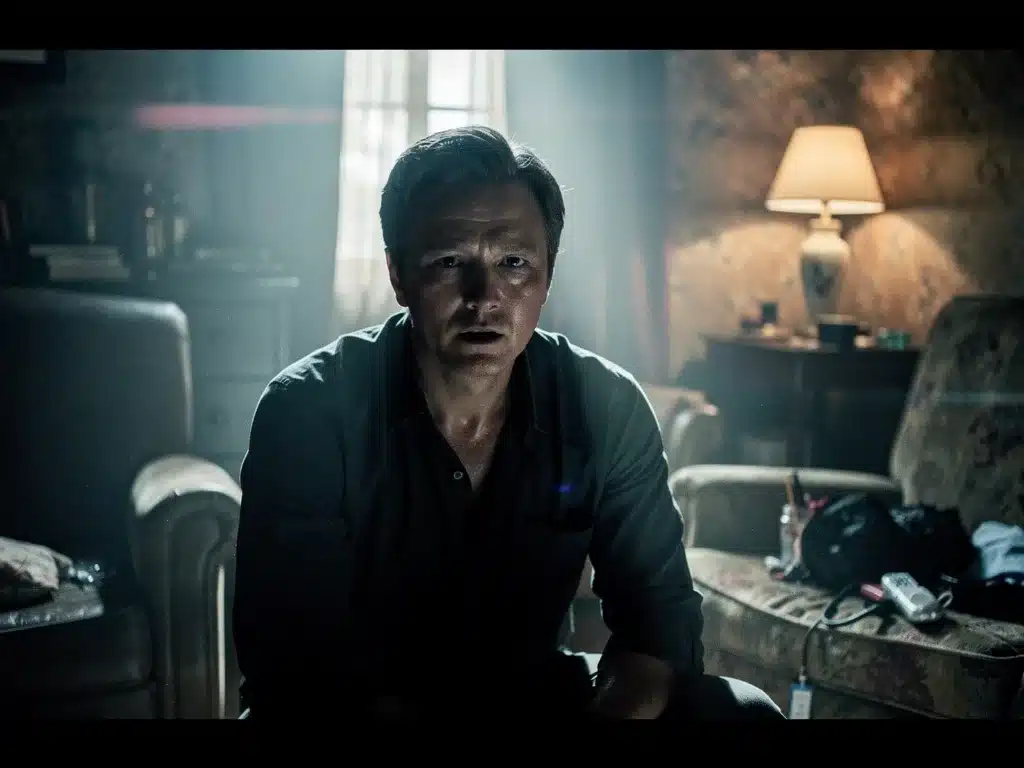
In today’s crowded streaming landscape, exceptional visual artistry sets the best series apart.
Analyzing the cinematography of standout productions from the last six months reveals how camera work, lighting, and color push the boundaries of modern television storytelling.
This review highlights five recent visual masterpieces, exploring how innovative techniques elevate narrative, build character depth, and create truly immersive viewing experiences.
The Evolving Landscape of Television Cinematography
The past six months have witnessed an extraordinary surge in television series that prioritize visual excellence, setting new benchmarks for the industry.
This shift reflects a growing recognition of cinematography’s role in elevating storytelling beyond mere dialogue and plot progression. Audiences now expect a cinematic experience from their small screens, driving creators to innovate.
This commitment to visual artistry is transforming how narratives are conceived and executed, with directors and cinematographers working hand-in-hand from the earliest stages of production.
The result is a more cohesive and immersive viewing experience where every frame is meticulously crafted. This dedication to visual detail is a testament to the maturation of television as an art form.
Understanding these trends is key to appreciating the depth and complexity of modern television.
The shows we’re about to discuss are not just well-written; they are visually articulate, using every tool at their disposal to communicate themes and emotions. This makes cinematography visual masterpieces a true highlight of recent releases.
Defining Visual Masterpieces: What Makes Them Stand Out?
A true visual masterpiece in television is characterized by its ability to use cinematography not just as a backdrop, but as an integral part of the narrative.
It’s about more than just pretty pictures; it’s about intentionality, emotional resonance, and innovative technique. These series employ light, shadow, composition, and camera movement to convey unspoken truths and amplify dramatic tension.
Exceptional cinematography often involves a distinctive visual style that becomes synonymous with the show itself, creating an indelible impression on the viewer.
This can manifest through a unique color palette, a signature lens choice, or a particular approach to framing. The visual choices are never arbitrary; they serve the story.
Ultimately, these works achieve a rare synergy between form and content, where the visual language is as compelling and articulate as the script.
They challenge viewers to engage on a deeper, more sensory level, leaving a lasting impact long after the credits roll. This is what truly defines cinematography visual masterpieces in the current landscape.
Series 1: “The Crimson Veil” – A Masterclass in Atmospheric Lighting
“The Crimson Veil” stands as a prime example of how atmospheric lighting can transform a narrative, creating a pervasive sense of dread and mystery.
Its cinematographers masterfully utilize chiaroscuro techniques, often plunging scenes into deep shadows punctuated by stark, dramatic light sources.
This visual strategy mirrors the show’s dark themes and morally ambiguous characters.
The series consistently employs a limited, yet impactful, color palette, predominantly featuring deep reds, muted blues, and oppressive grays.
This choice not only establishes a distinct aesthetic but also subconsciously influences the viewer’s emotional response, enhancing the narrative’s tension. Every frame feels like a carefully composed painting, contributing to the overall mood.
Such meticulous attention to lighting and color ensures that the visual experience is just as compelling as the plot, making it a standout among recent releases.
The series demonstrates an unwavering commitment to its visual identity, solidifying its place as one of the cinematography visual masterpieces of the season.
Innovative Use of Shadow Play
The show’s use of shadow is not merely for concealment but for revelation, hinting at hidden truths and internal conflicts.
Characters often emerge from or recede into darkness, symbolizing their psychological states and the secrets they harbor. This technique adds layers of complexity to each scene, inviting viewers to actively interpret the visual cues.
Specific scenes, particularly those set indoors, feature single-source lighting that casts long, distorted shadows, amplifying the feeling of unease and claustrophobia.
This deliberate choice forces the audience to confront the unsettling realities of the characters’ world. The cinematography acts as a silent narrator, guiding our perceptions.
- Deliberate use of high contrast to emphasize moral ambiguity.
- Shadows as an active narrative element, not just an absence of light.
- Limited color palette reinforces the show’s somber tone.
Series 2: “Echoes of Tomorrow” – Pushing the Boundaries of Sci-Fi Visuals
“Echoes of Tomorrow” redefines the visual language of science fiction, presenting a futuristic world that is both breathtakingly expansive and intimately detailed.
Its cinematography is characterized by sweeping wide shots of alien landscapes contrasted with intricate close-ups of advanced technology and character expressions. The scale of its visual ambition is truly remarkable.
The series employs cutting-edge visual effects seamlessly integrated with practical sets, creating environments that feel tangible and lived-in despite their fantastical nature.
The use of dynamic camera movements, including complex tracking shots and drones, immerses the audience directly into the heart of its futuristic conflicts. This seamless blend of techniques is a hallmark of its visual prowess.
This commitment to crafting a believable yet awe-inspiring future makes “Echoes of Tomorrow” a benchmark for sci-fi cinematography.
It illustrates how visual storytelling can transport viewers to entirely new realities, earning its spot among the season’s notable cinematography visual masterpieces.
World-Building Through Lens Choices
The cinematographers strategically use different lens types to differentiate between the vastness of space and the confined spaces of human settlements.
Wide-angle lenses emphasize the isolation and grandeur of alien planets, while tighter lenses focus on the human drama unfolding within. This thoughtful approach enhances the world-building.
The series also experiments with anamorphic lenses to create a distinct widescreen aesthetic, reminiscent of classic sci-fi cinema, which adds to its epic feel.
This choice contributes to the immersive quality, making every frame feel part of a larger, meticulously constructed universe. The visual storytelling is paramount here.
- Seamless integration of CGI and practical effects for a cohesive world.
- Dynamic camera work to convey movement and scale.
- Careful lens selection to define different aspects of the futuristic setting.
Series 3: “The Silent Witness” – Intimate Storytelling Through Composition
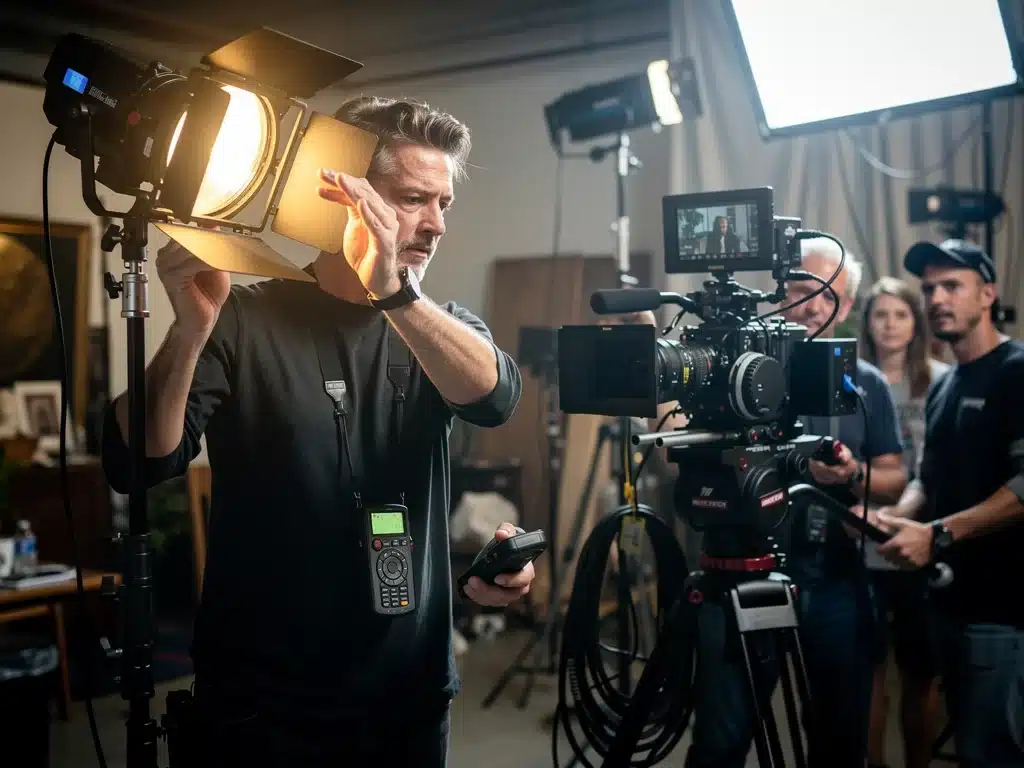
“The Silent Witness” offers a masterclass in using meticulous composition to tell an intimate, character-driven story.
The series often utilizes static, carefully framed shots that draw the viewer’s eye to subtle details, emphasizing unspoken emotions and hidden motives. This deliberate pacing allows for deep character exploration through visual cues.
The camera work frequently employs shallow depth of field, artfully blurring backgrounds to keep the focus squarely on the characters and their internal states.
This technique creates a sense of intimacy and vulnerability, inviting the audience to connect deeply with the protagonists. Every facial expression and gesture is magnified, becoming a crucial narrative element.
Its powerful visual language transforms seemingly simple scenes into profound moments of introspection and revelation, proving that impactful cinematography doesn’t always require grand gestures.
This makes “The Silent Witness” a compelling study in understated visual brilliance and a clear example of cinematography visual masterpieces.
Framing for Emotional Impact
The cinematographers often frame characters within doorways or windows, creating visual metaphors for their confinement or desire for escape.
These compositional choices are not accidental; they are designed to communicate psychological states. The environment becomes an extension of the character’s internal landscape.
Negative space is also used effectively to highlight isolation or the weight of unsaid words, allowing the viewer to feel the emotional distance between characters.
This minimalist approach to framing speaks volumes, demonstrating how less can often be more in visual storytelling. The deliberate absence of clutter draws attention to the core emotions.
- Deliberate use of high contrast to emphasize moral ambiguity.
- Shadows as an active narrative element, not just an absence of light.
- Limited color palette reinforces the show’s somber tone.
Series 4: “Neon City Blues” – Vibrant Colors and Dynamic Movement
“Neon City Blues” is a dazzling spectacle of color and movement, capturing the frenetic energy of an urban landscape with unparalleled vibrancy.
Its cinematography is defined by bold, saturated hues, often bathed in the glow of neon lights, creating a hyper-stylized world that pulsates with life. The visual style is as much a character as the protagonists themselves.
The series utilizes fluid, handheld camera work and rapid cuts to convey a sense of urgency and chaos, perfectly mirroring the high-stakes narrative.
Chase sequences and action scenes are particularly noteworthy, with the camera acting as an active participant, drawing viewers directly into the heart of the action. This dynamic approach is incredibly immersive.
This show is a testament to how color and motion can be harnessed to create a distinct and unforgettable visual identity, making it a vibrant addition to the list of cinematography visual masterpieces.
Its aesthetic is loud, proud, and unapologetically bold, leaving a lasting impression on anyone who watches.
The Role of Color in Urban Narrative
The vibrant color palette extends beyond mere aesthetics, often reflecting the emotional temperature of a scene or the moral ambiguities of the characters.
Different districts of Neon City are distinguished by their dominant color schemes, creating a visual shorthand for their unique characteristics. This use of color is highly symbolic.
Red and blue lights frequently clash, symbolizing conflict and the blurred lines between law and crime, good and evil.
This deliberate color coding enriches the narrative, providing visual cues that enhance thematic understanding. The city itself becomes a canvas for these powerful visual statements, reinforcing the show’s core messages.
- Saturated colors and neon lights define the urban aesthetic.
- Handheld camera work and fast cuts convey energy and urgency.
- Color acts as a narrative device, reflecting themes and character states.
Series 5: “Whispers of the Wild” – Grandeur and Scale in Nature
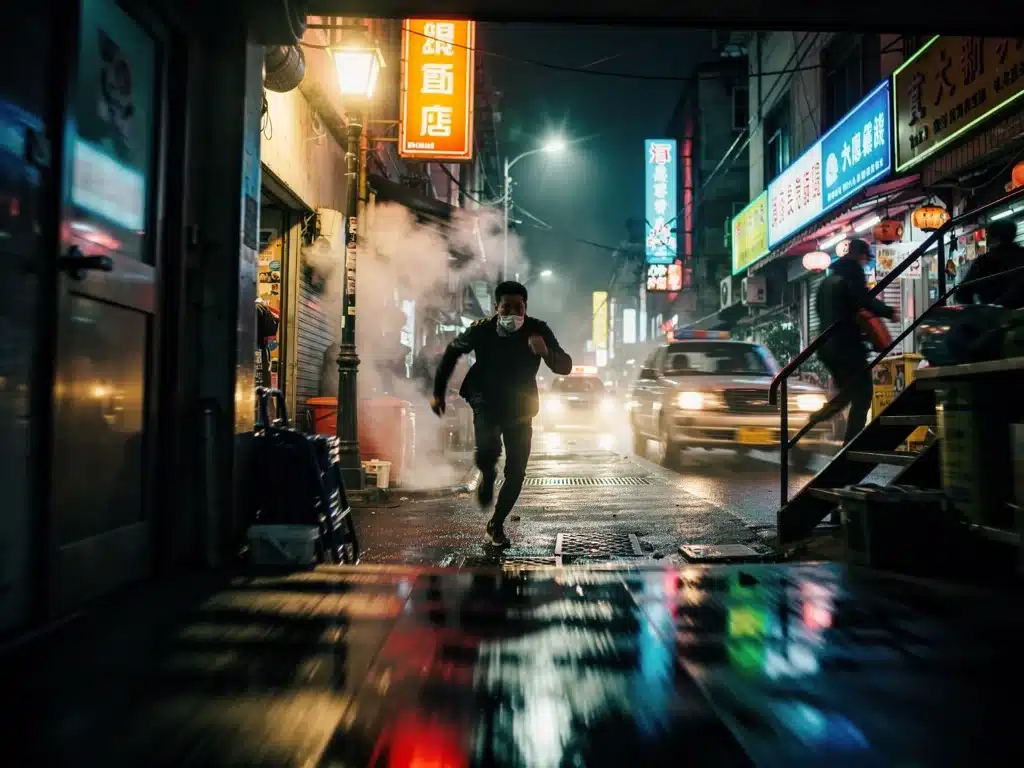
“Whispers of the Wild” is an epic journey through untamed landscapes, with cinematography that captures the breathtaking grandeur and raw beauty of nature.
The series is characterized by expansive drone shots that showcase vast mountain ranges, dense forests, and swirling rivers, emphasizing humanity’s smallness in the face of the natural world. The scale of its visual ambition is truly stunning.
The cinematographers expertly utilize natural light to highlight the changing moods of the environment, from the golden hour glow over a serene valley to the dramatic shadows cast by an impending storm.
This attention to detail ensures that nature is not just a setting, but a powerful, dynamic force within the narrative. Every landscape shot is a work of art.
This series reminds us of the power of location and natural elements in visual storytelling, earning its place among the most compelling cinematography visual masterpieces of recent times.
It’s a visually immersive experience that transports viewers directly into the heart of the wilderness, making them feel part of the expansive world.
Capturing the Essence of Wilderness
The use of wide-angle lenses and high-resolution cameras allows for the capture of incredible detail, from individual leaves swaying in the wind to the intricate textures of rock faces.
This level of fidelity immerses the viewer, making the natural environment feel incredibly real and alive. The visual quality is consistently exceptional.
Long takes are frequently employed to allow the audience to soak in the vastness and tranquility of the landscapes, fostering a sense of awe and contemplation.
These deliberate choices in pacing and composition contribute significantly to the show’s meditative quality. The cinematography encourages viewers to pause and appreciate the beauty onscreen.
- Expansive drone shots emphasize the scale of natural environments.
- Masterful use of natural light to reflect nature’s moods.
- High-resolution capture and long takes for immersive wilderness portrayal.
| Key Aspect | Brief Description |
|---|---|
| Atmospheric Lighting | “The Crimson Veil” uses light and shadow to create mood and tension. |
| Sci-Fi World-Building | “Echoes of Tomorrow” builds immersive futuristic worlds with visual effects. |
| Intimate Composition | “The Silent Witness” uses framing to convey deep emotional states. |
| Vibrant Urban Aesthetics | “Neon City Blues” employs bold colors and dynamic movement for urban energy. |
Frequently Asked Questions About Cinematography Visual Masterpieces
A visual masterpiece in television is characterized by cinematography that serves as an integral part of the narrative, using light, shadow, composition, and camera movement to enhance storytelling. It goes beyond aesthetics, aiming for emotional resonance and innovative technical execution, making the visual language as articulate as the script.
Cinematographers influence storytelling by making deliberate choices about framing, lighting, color, and camera movement that convey mood, character psychology, and thematic elements. Their work can guide the audience’s emotional response, highlight crucial details, and immerse viewers more deeply into the narrative world, shaping perception.
While high-budget productions often have resources for elaborate visuals, a visual masterpiece isn’t solely defined by cost. Creativity, intentionality, and a clear artistic vision are paramount. Even lower-budget series can achieve stunning cinematography through innovative techniques and a deep understanding of visual storytelling principles, making them cinematography visual masterpieces.
Emerging trends include a greater emphasis on cinematic quality, seamless integration of practical and digital effects, and diverse approaches to lighting and color palettes. There’s also a growing exploration of unique aspect ratios, dynamic camera movements, and a focus on visual world-building, all contributing to cinematography visual masterpieces.
Viewers can enhance their appreciation by paying attention to how scenes are lit, the colors used, and camera angles. Consider how these elements make you feel or what they communicate about characters and plot. Observing the intentionality behind each frame can deepen understanding of the visual artistry, recognizing true cinematography visual masterpieces.
Looking Ahead: The Future of Visual Storytelling
The recent surge in cinematography visual masterpieces signals a promising future for television, where visual innovation continues to drive narrative excellence.
As technology advances and creative boundaries are continually pushed, audiences can anticipate even more immersive and artistically profound viewing experiences.
The industry’s commitment to visual storytelling is only growing stronger.
This trend suggests that future series will likely explore even more experimental techniques, further blurring the lines between film and television.
Keeping an eye on emerging directors of photography and their distinctive styles will be key to identifying the next wave of visual triumphs.
To see how these principles apply across iconic cinema, check out No Film School’s Key Cinematography Lessons from Movies.
Ultimately, the impact of these visually stunning series extends beyond entertainment, influencing how stories are told across all media.
Their success underscores the power of a strong visual identity in captivating and retaining an audience, ensuring that cinematography visual masterpieces remain at the forefront of cultural conversation.