Future of Live Sports Streaming: 6 Innovations in 2026
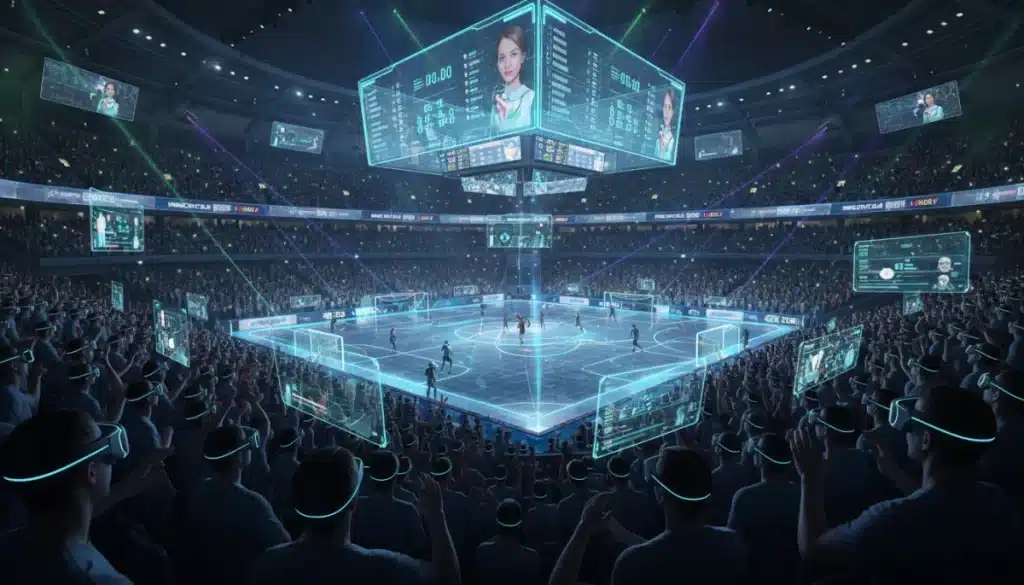
In 2026, the broadcast landscape operates under an engineering standard known as “Dynamic Ultra-Low Latency Edge Streaming.”
Driven by a universal shift away from linear television, digital networks are deploying advanced infrastructure to handle massive viewer spikes without lag.
This update covers The Future of Live Sports Streaming, focusing directly on how artificial intelligence, edge-computing, and interactive data layers will transform passive spectatorship into an immersive, real-time journey for fans everywhere.
The Dawn of AI-Powered Personalization in Sports Streaming
Artificial Intelligence (AI) stands at the forefront of revolutionizing the Future Live Sports Streaming experience, offering unprecedented levels of personalization.
By 2026, AI algorithms will analyze individual viewer preferences, historical viewing data, and real-time interactions to curate bespoke content streams.
This means fans will receive customized commentary, highlight reels tailored to their favorite players or teams, and even predictive analytics on game outcomes.
This deep level of personalization extends beyond mere content selection; AI will dynamically adjust camera angles, provide on-screen statistics relevant to a user’s interests, and recommend ancillary content.
The goal is to create an intimately engaging experience that feels uniquely crafted for each viewer, moving far beyond the traditional one-size-fits-all broadcast model. This innovation will fundamentally alter how audiences interact with live sports.
The impact of AI on the Future Live Sports Streaming will also include enhanced accessibility features, such as real-time language translation and adaptive captions for viewers with hearing impairments.
AI-driven content moderation will ensure a safer and more inclusive online viewing environment, automatically filtering out inappropriate comments or interactions in live chats.
This comprehensive integration of AI promises a smarter, more responsive, and ultimately more satisfying viewing experience for all.
Immersive Virtual and Augmented Reality Experiences
Virtual Reality (VR) and Augmented Reality (AR) are set to unlock new dimensions in the Future Live Sports Streaming, transporting fans directly into the heart of the action.
By 2026, advanced VR headsets will offer 360-degree views from various vantage points within stadiums, including player perspectives and courtside seats, providing an unparalleled sense of presence.
This will replicate the thrill of being at the event, even when watching from home.
AR technology will overlay real-time statistics, player tracking, and interactive graphics onto live broadcasts, enriching the viewing experience without requiring a separate headset.
Imagine pointing your smartphone at your TV screen and seeing player names, distances covered, or shot trajectories appear seamlessly.
These AR enhancements will provide deeper analytical insights and interactive elements directly within the live feed.
The integration of VR and AR into the Future Live Sports Streaming will also facilitate social viewing experiences, allowing friends to watch games together in virtual lounges.
These shared virtual spaces will mimic the camaraderie of watching a game with friends in person, complete with avatars and real-time voice chat. This fusion of reality and digital enhancement will redefine fan engagement.
Ultra-Low Latency and 5G Networks for Seamless Streaming
The widespread adoption of 5G networks and advancements in streaming protocols will usher in an era of ultra-low latency for the Future Live Sports Streaming, virtually eliminating delays.
By 2026, the gap between live action and its broadcast will be negligible, ensuring viewers experience events in near real-time.
This is critical for fast-paced sports where every millisecond counts, enhancing the fairness of real-time betting and fan reactions.
This reduction in latency, coupled with the immense bandwidth of 5G, will also enable higher quality streams, including 8K resolution and enhanced dynamic range (HDR) video.
Fans will enjoy crystal-clear visuals and vibrant colors, bringing every detail of the game to life with unprecedented fidelity. The improved network infrastructure is a foundational element for all other innovations in sports streaming.
The Role of Edge Computing
Edge computing will play a crucial role in optimizing content delivery by processing data closer to the user, further reducing latency and improving stream reliability.
This decentralized approach minimizes congestion on central servers, ensuring a smoother and more consistent viewing experience, even during peak demand.
This technological backbone is essential for the seamless delivery of high-quality, real-time sports content.
Enhanced Interactivity and Multi-View Options
- Real-time Betting Integration: Seamlessly place bets with updated odds during live play.
- Fan-Controlled Camera Angles: Switch between multiple camera feeds to personalize your view.
- Interactive Polls and Quizzes: Engage with the broadcast and other fans through real-time interactions.
- Player-Specific Feeds: Follow your favorite athlete exclusively throughout the game.
The combination of 5G and ultra-low latency will not only enhance video quality but also empower a new generation of interactive features.
The Future Live Sports Streaming promises a highly dynamic and responsive viewing environment, where fans are active participants rather than passive observers. This technological leap will set new standards for live content delivery.
Interactive Overlays and Real-Time Statistics
Interactive overlays and real-time statistics are poised to transform the Future Live Sports Streaming into an analytical powerhouse for fans.
By 2026, viewers will have access to a wealth of data points, including player biometrics, advanced tactical analyses, and historical performance comparisons, all available at their fingertips.
These overlays can be customized, allowing fans to dive deep into the aspects of the game that interest them most.
These features will move beyond simple scoreboards, offering sophisticated graphical representations of game flow, possession statistics, and individual player contributions.
Imagine seeing a live heat map of a player’s movement or a probability curve for a team’s win chances updated in real-time.
This level of data integration will cater to both casual viewers and hardcore analysts, enriching the understanding of the game.
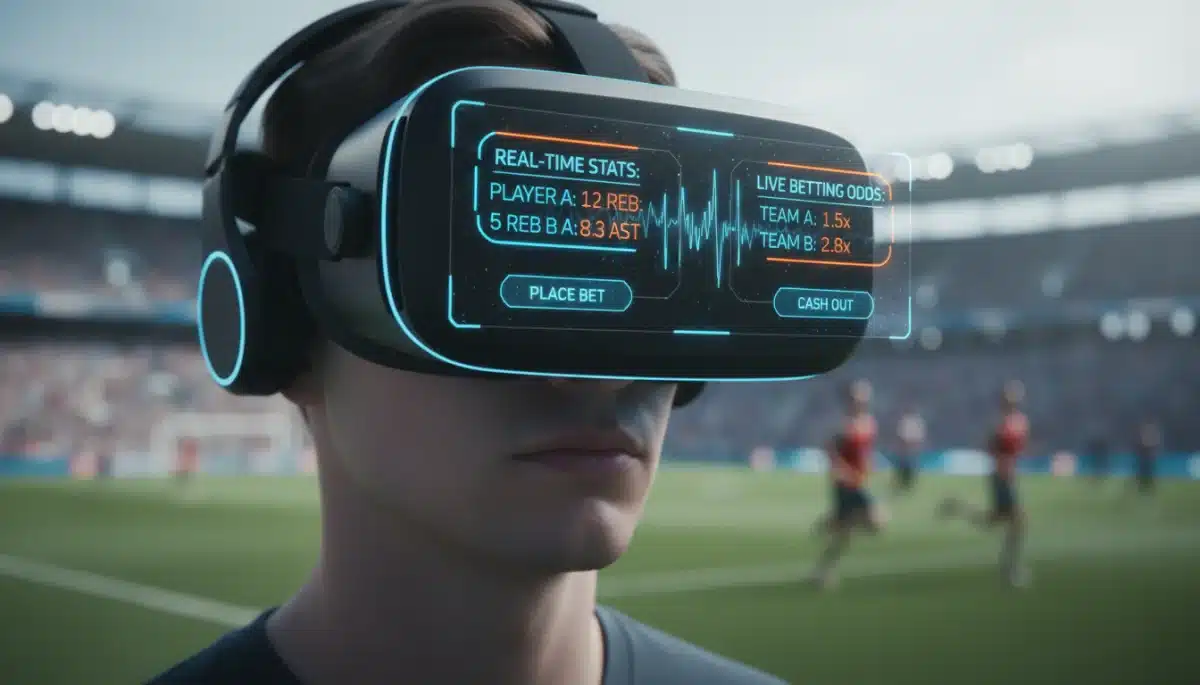
The integration will also allow for personalized data streams, where AI determines which statistics are most relevant to an individual user based on past viewing habits and declared preferences.
This ensures that the information presented is always engaging and pertinent, preventing data overload while providing deep insights. The Future Live Sports Streaming will become a truly informed experience.
Blockchain Technology and NFTs for Fan Engagement
Blockchain technology and Non-Fungible Tokens (NFTs) are emerging as pivotal elements in enhancing fan engagement within the Future Live Sports Streaming ecosystem.
By 2026, NFTs will serve as digital collectibles, offering fans unique ownership of iconic moments, player cards, or exclusive access passes to behind-the-scenes content.
This creates a new layer of digital ownership and community for sports enthusiasts.
Beyond collectibles, blockchain will facilitate transparent and secure fan voting mechanisms, allowing viewers to influence aspects of broadcasts, such as camera angles or fan-favorite polls.
This decentralized ledger technology ensures the integrity of these interactions, building trust and empowering the fan base. The ability to directly participate in decision-making will deepen fan loyalty.
Secure Ticketing and Fan Rewards
Blockchain-based ticketing systems will combat counterfeiting, ensuring authentic entry to live events and offering a secure secondary market for resale.
Furthermore, loyalty programs utilizing blockchain can reward active viewers with exclusive content, merchandise, or unique digital assets, fostering a stronger connection between teams, leagues, and their global audience.
This creates a dynamic and rewarding environment for fans.
Decentralized Content Distribution
- Secure Digital Rights Management: Blockchain ensures content creators and rights holders are properly compensated.
- Fan-Owned Content Platforms: Potential for decentralized platforms where fans contribute and curate content.
- Transparent Royalty Distribution: Artists and content creators receive fair and immediate payments.
- Exclusive Fan Tokens: Access to special communities and perks through token ownership.
The application of blockchain technology in the Future Live Sports Streaming extends to creating new revenue streams and fostering a more equitable distribution of value.
This innovative approach promises to transform fan relationships from passive consumption to active participation and ownership.
The decentralized nature of these technologies provides a secure and verifiable framework for these new interactions.
Cloud-Based Production and Remote Broadcasting
Cloud-based production and remote broadcasting are fundamentally reshaping the operational backbone of the Future Live Sports Streaming.
By 2026, the traditional on-site production model will largely be replaced by remote workflows, where camera feeds from venues are sent directly to cloud platforms for editing, graphics integration, and distribution.
This significantly reduces logistical complexities and costs associated with live event coverage.
This shift to cloud-native tools allows for greater flexibility and scalability, enabling broadcasters to cover more events with fewer resources and respond rapidly to changing production needs.
Teams of editors, producers, and graphics artists can collaborate from anywhere in the world, streamlining the entire production pipeline. This global collaboration enhances efficiency and broadens coverage possibilities.

The environmental impact is also a significant benefit, as remote production reduces the need for extensive travel and on-site equipment, contributing to a more sustainable broadcasting industry.
This innovative approach ensures that the Future Live Sports Streaming is not only technologically advanced but also environmentally conscious. The flexibility offered by cloud solutions will drive industry innovation.
| Key Innovation | Impact on Streaming |
|---|---|
| AI Personalization | Customized content, commentary, and statistics for each viewer. |
| VR/AR Immersion | 360-degree views and interactive overlays for enhanced presence. |
| Ultra-Low Latency | Near real-time broadcasts via 5G, eliminating viewing delays. |
| Blockchain/NFTs | Digital collectibles, secure voting, and fan-centric reward systems. |
FAQ: The Future of Live Sports Streaming
AI will personalize your viewing by tailoring commentary, highlight reels, and statistics to your preferences. It will also suggest content based on your favorite teams and players, creating a unique and highly engaging experience just for you.
VR will offer immersive 360-degree views from various stadium locations, while AR will overlay real-time stats and interactive graphics onto your screen. These technologies aim to transport you into the game, making your home viewing feel like you’re actually there.
5G networks will provide ultra-low latency, meaning almost no delay between the live action and your screen. This ensures real-time accuracy for betting and immediate reactions, alongside enabling higher quality streams like 8K resolution for crystal-clear visuals.
Yes, interactive overlays will allow you to access detailed real-time statistics, player biometrics, and tactical analyses. You’ll also be able to switch camera angles, participate in polls, and potentially place real-time bets directly through your streaming interface.
Blockchain will enable secure fan voting and transparent loyalty programs, rewarding viewers with exclusive content. NFTs will offer digital ownership of iconic sports moments and unique collectibles, creating new forms of engagement and community among fans.
Looking Ahead: The Evolving Landscape of Sports Entertainment
The innovations driving the Future Live Sports Streaming signal a profound transformation in how sports content is created, delivered, and consumed.
These advancements are not merely incremental improvements but represent a fundamental shift towards more personalized, immersive, and interactive experiences.
As these technologies mature, they will redefine fan expectations and open new avenues for engagement and monetization in the sports industry.
Broadcasters and leagues must adapt swiftly to these changes, leveraging AI, VR, 5G, and blockchain to remain competitive and relevant in a rapidly evolving digital landscape.
The ongoing developments emphasize a future where fans are no longer passive viewers but active participants in the sporting narrative.
The Future Live Sports Streaming promises a dynamic and engaging era for sports enthusiasts worldwide.
Monitoring the integration of these technologies will be crucial for understanding the next wave of innovation.
The convergence of these six key areas is set to create a rich, multi-faceted viewing experience that transcends traditional broadcasting.
The impact will be felt across all aspects of sports entertainment, from grassroots to professional leagues, shaping how we connect with the games we love.
To see how these infrastructure innovations translate into commercial platforms, and to review the top-tested platforms for managing your regional networks, live DVR capabilities, and 4K event coverages, explore the comprehensive review on The Best Sports Streaming Services via CNET.