True Crime Series Evolution: ‘Unsolved Shadows’ Review 2026
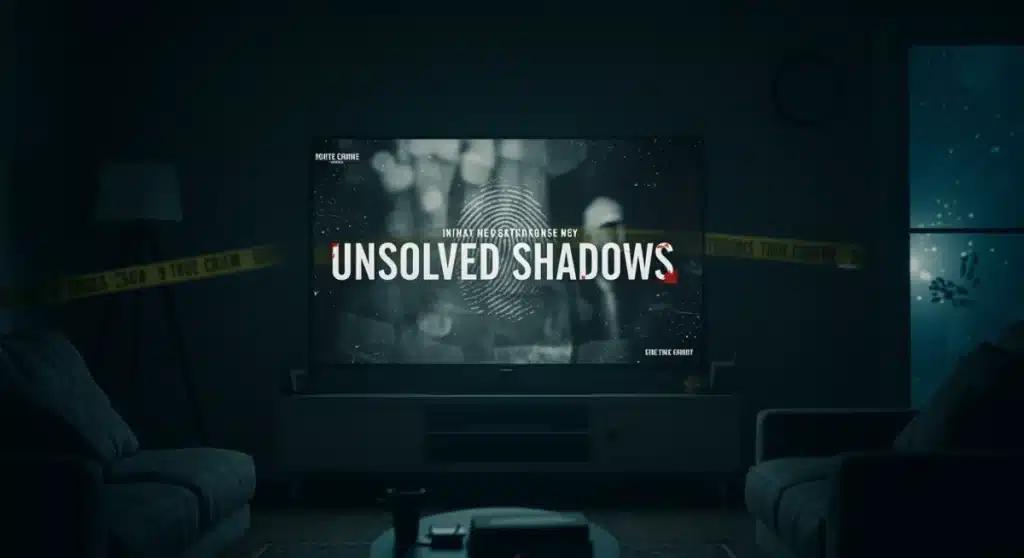
The evolution of true crime series, exemplified by ‘Unsolved Shadows’, reflects a significant shift in viewer preferences towards more nuanced storytelling and ethical considerations in early 2026.
The landscape of television entertainment is constantly shifting, and few genres illustrate this better than true crime. In early 2026, we find ourselves at a fascinating juncture, where series like ‘true crime evolution‘ ‘Unsolved Shadows’ are not just recounting grim events but actively shaping and responding to sophisticated viewer preferences.
The Shifting Sands of True Crime Storytelling
True crime has long captivated audiences, but its presentation has undergone a dramatic transformation. Gone are the days of purely sensationalized accounts; today’s viewers demand depth, ethical engagement, and a critical lens on the justice system. This evolution is driven by a more informed and socially conscious audience, seeking narratives that go beyond mere spectacle.
The genre has matured, moving from simple reenactments to complex psychological explorations and deep-dive investigative journalism. This change reflects a broader cultural shift, where consumers are increasingly aware of media’s impact and demand responsibility from creators.
Early true crime often focused on graphic details, sometimes at the expense of victims’ dignity or the broader societal context. Modern true crime series, however, strive for a more balanced approach, prioritizing sensitivity and ethical considerations.
- Victim-Centric Narratives: A greater emphasis is placed on the victims’ lives and experiences, moving away from glorifying perpetrators.
- Ethical Storytelling: Creators are increasingly mindful of the potential harm their narratives can cause, engaging with families and communities respectfully.
- Social Impact: Many series now explore the systemic issues that contribute to crime, such as poverty, racial injustice, or failures within the legal system.
‘Unsolved Shadows’ exemplifies this shift by dedicating significant screen time to the human element, ensuring that the stories told resonate with empathy and respect. It’s a testament to how far the genre has come, demonstrating a commitment to more than just suspense.
This new era of true crime storytelling encourages critical thinking, pushing audiences to question assumptions and engage with complex moral dilemmas. It’s no longer just about ‘whodunit’ but ‘why’ and ‘what now,’ fostering a deeper understanding of crime’s far-reaching consequences.
‘Unsolved Shadows’: A Benchmark for 2026 True Crime
‘Unsolved Shadows’ has emerged as a standout series, setting a new benchmark for true crime in early 2026. Its success lies not just in its compelling cases but in its innovative approach to narrative structure and its commitment to rigorous investigation. The series masterfully blends archival footage, expert interviews, and sensitive dramatizations to create a truly immersive experience.
The creators of ‘Unsolved Shadows’ understand that viewers are more discerning than ever. They crave authenticity and a sense of genuine inquiry, rather than fabricated tension. This series delivers on that promise, offering a sophisticated look into complex cases that have long eluded resolution.
Innovative Narrative Techniques
The series employs several narrative techniques that differentiate it from its predecessors. Instead of a linear recounting of events, ‘Unsolved Shadows’ often jumps between timelines and perspectives, slowly piecing together a mosaic of information that keeps viewers engaged and intellectually stimulated.
- Multi-Perspective Storytelling: Presenting events from various angles, including law enforcement, victims’ families, and even potential suspects.
- Interactive Elements: Although not overtly interactive, the series encourages viewer participation through subtle clues and open-ended questions, fostering online discussion.
- Pacing and Reveal: The pacing is deliberate, building suspense through gradual revelations rather than shock tactics, allowing emotional weight to build naturally.
By focusing on the investigative process itself, ‘Unsolved Shadows’ educates as much as it entertains. It demystifies the complexities of cold cases, showcasing the dedication and often frustrating work involved in seeking justice. This transparency resonates deeply with a modern audience that values factual accuracy and procedural integrity.
Viewer Preferences in Early 2026: Beyond the Gory Details
In early 2026, viewer preferences for true crime have evolved significantly, moving beyond a morbid fascination with gory details towards a demand for intellectual engagement and social commentary. Audiences are no longer content with surface-level narratives; they seek deeper meaning and a broader understanding of the human condition.
This shift is partly due to the oversaturation of true crime content, which has forced creators to innovate. Viewers are now actively looking for series that offer fresh perspectives, ethical considerations, and a commitment to accuracy, distinguishing quality productions from the commonplace.
The Demand for Authenticity and Depth
Authenticity is paramount. Viewers can easily spot manufactured drama or exploitative storytelling. They prefer narratives that feel genuine, even when dealing with difficult subjects. This includes a preference for real interviews, verifiable facts, and a balanced presentation of evidence.
- Journalistic Integrity: High-quality true crime is increasingly held to journalistic standards, with fact-checking and responsible reporting being key.
- Psychological Insight: Audiences are drawn to explorations of the psychology behind criminal behavior, seeking to understand motivations and societal factors.
- Focus on Resolution: While many cases remain unsolved, there’s a preference for series that at least show the pursuit of justice, offering a sense of closure or ongoing effort.
The success of ‘Unsolved Shadows’ can be directly attributed to its alignment with these evolving preferences. It respects the intelligence of its audience, providing complex narratives that invite contemplation rather than just passive consumption. This engagement fosters a more meaningful viewing experience, solidifying its place as a genre leader.
The Impact of ‘Unsolved Shadows’ on the True Crime Genre
‘Unsolved Shadows’ has left an indelible mark on the true crime genre, influencing both production methodologies and audience expectations. Its innovative blend of investigative depth, ethical storytelling, and compelling narrative has set a new standard that other series are now striving to emulate. The show demonstrates that it is possible to achieve high ratings and critical acclaim without resorting to sensationalism.
The series has proven that a thoughtful, nuanced approach to true crime can resonate deeply with a broad audience. Its success sends a clear message to producers and networks: viewers are ready for more sophisticated content that challenges and informs, rather than merely entertains.
Raising the Bar for Production Quality
The visual and auditory production quality of ‘Unsolved Shadows’ is exceptional, contributing significantly to its immersive appeal. The use of atmospheric cinematography, evocative musical scores, and meticulous sound design elevates the storytelling, creating a powerful emotional connection with the viewer.
- Cinematic Approach: Employs high production values typically associated with cinematic documentaries, enhancing the viewing experience.
- Expert Collaboration: Features insights from leading forensic experts, criminal psychologists, and investigative journalists, lending credibility to the narratives.
- Ethical Frameworks: The production team adheres to strict ethical guidelines, ensuring that the portrayal of victims and their families is always handled with the utmost respect.
By prioritizing quality across all aspects of production, ‘Unsolved Shadows’ has demonstrated that true crime can be both gripping and profoundly respectful. It challenges the notion that true crime must be raw or unpolished to be authentic, proving that polished production can enhance, rather than detract from, the gravitas of the subject matter.
Ethical Considerations and Responsible Storytelling
The discussion around ethical considerations in true crime has intensified in recent years, and ‘Unsolved Shadows’ actively participates in this conversation through its responsible storytelling. The series is a prime example of how creators can navigate the delicate balance between exploring sensitive subjects and upholding journalistic integrity and respect for those involved.
Responsible storytelling in true crime extends beyond avoiding gratuitous violence; it encompasses how victims are remembered, how perpetrators are contextualized, and how the broader societal implications of crime are explored. ‘Unsolved Shadows’ approaches each case with a clear ethical compass.
Navigating Victim Privacy and Public Interest
One of the most challenging aspects of true crime is balancing the public’s right to know with the privacy and dignity of victims and their families. ‘Unsolved Shadows’ handles this by engaging directly with families, seeking their consent, and allowing them to shape their narratives.
- Consent and Collaboration: Works closely with victims’ families, ensuring their voices are heard and their stories are told accurately and respectfully.
- Minimizing Harm: Avoids re-traumatizing individuals by carefully selecting and presenting details, focusing on impact rather than sensationalism.
- Advocacy and Awareness: Often highlights the advocacy efforts of families and communities, turning personal tragedy into a catalyst for social change.
The series demonstrates that true crime can serve a greater purpose than mere entertainment. By focusing on the human cost of crime and the ongoing quest for justice, ‘Unsolved Shadows’ transforms individual tragedies into powerful narratives that inform and inspire, fostering a more empathetic and engaged audience.
The Future of True Crime: What 2026 Holds
Looking ahead into 2026, the future of true crime appears to be one of continued evolution, with series like ‘Unsolved Shadows’ paving the way for even more sophisticated and ethically conscious productions. The genre is moving towards greater integration with technology, enhanced immersive experiences, and an even deeper commitment to social justice narratives.
The demand for authenticity and depth will only grow, pushing creators to explore new formats and storytelling techniques. We can expect to see more interactive elements, allowing viewers to engage with cases on a more personal level, and a continued emphasis on cold cases and systemic issues.
Emerging Trends and Technologies
Technological advancements will undoubtedly play a significant role in shaping future true crime series. From advanced forensic techniques to AI-driven investigative tools, these innovations will offer new avenues for storytelling and problem-solving within the genre.
- Interactive Documentaries: Potential for viewers to explore evidence, interviews, and timelines at their own pace, influencing the narrative path.
- Virtual Reality (VR) and Augmented Reality (AR): Immersive experiences that allow viewers to ‘step into’ crime scenes or witness events in a new, controlled manner.
- Data Journalism Integration: Utilizing large datasets to uncover patterns, expose systemic issues, and provide deeper context to individual cases.
The success of ‘Unsolved Shadows’ indicates a clear trajectory for true crime: a genre that not only entertains but also educates, provokes thought, and, importantly, contributes to the ongoing conversation about justice, ethics, and the human experience. The future promises a true crime landscape that is richer, more responsible, and more impactful than ever before.
| Key Aspect | Description |
|---|---|
| Genre Evolution | Shift from sensationalism to ethical, victim-centric narratives in true crime. |
| ‘Unsolved Shadows’ Impact | Sets a new benchmark for depth, authenticity, and innovative storytelling in 2026. |
| Viewer Preferences | Audiences demand authenticity, psychological insight, and social commentary. |
| Future Trends | Increased integration of technology, interactive elements, and social justice focus. |
Frequently Asked Questions About True Crime Evolution
Modern true crime in 2026 is defined by its ethical approach, deep investigative journalism, and focus on systemic issues rather than mere sensationalism. Series prioritize victim dignity, offer psychological insights, and engage with broader social commentary.
‘Unsolved Shadows’ distinguishes itself through innovative multi-perspective storytelling, meticulous production quality, and a commitment to journalistic integrity. It focuses on the investigative process and human element, resonating with discerning audiences who seek depth and authenticity.
Viewers in 2026 prefer true crime that is authentic, provides psychological insight, and offers social commentary. They seek resolution or at least a diligent pursuit of justice, moving away from purely graphic or exploitative narratives towards more thoughtful and impactful storytelling.
Key ethical considerations include obtaining consent from victims’ families, minimizing harm or re-traumatization, and ensuring responsible portrayal of individuals involved. It’s crucial to balance public interest with privacy and to use the narrative to raise awareness or advocate for justice.
The future of true crime in 2026 and beyond will likely feature more interactive elements, greater integration of advanced technologies like VR/AR, and a continued emphasis on social justice themes. The genre will strive to be more immersive, educational, and ethically driven.
Conclusion
The evolution of true crime series has reached a pivotal point in early 2026, with ‘Unsolved Shadows’ serving as a prime example of where the genre is headed. This series encapsulates the shifting viewer preferences towards more nuanced, ethically responsible, and deeply investigative storytelling. Audiences are no longer satisfied with superficial accounts; they demand authenticity, psychological depth, and a critical look at the societal factors that underpin criminal acts. ‘Unsolved Shadows’ not only meets these demands but also raises the bar for production quality and narrative innovation, proving that true crime can be both immensely compelling and profoundly respectful. As the genre continues to evolve, we can anticipate more productions that prioritize journalistic integrity, victim advocacy, and a commitment to fostering a deeper understanding of justice and humanity.